Oak Wilt Pruning Season Texas Homeowners Need
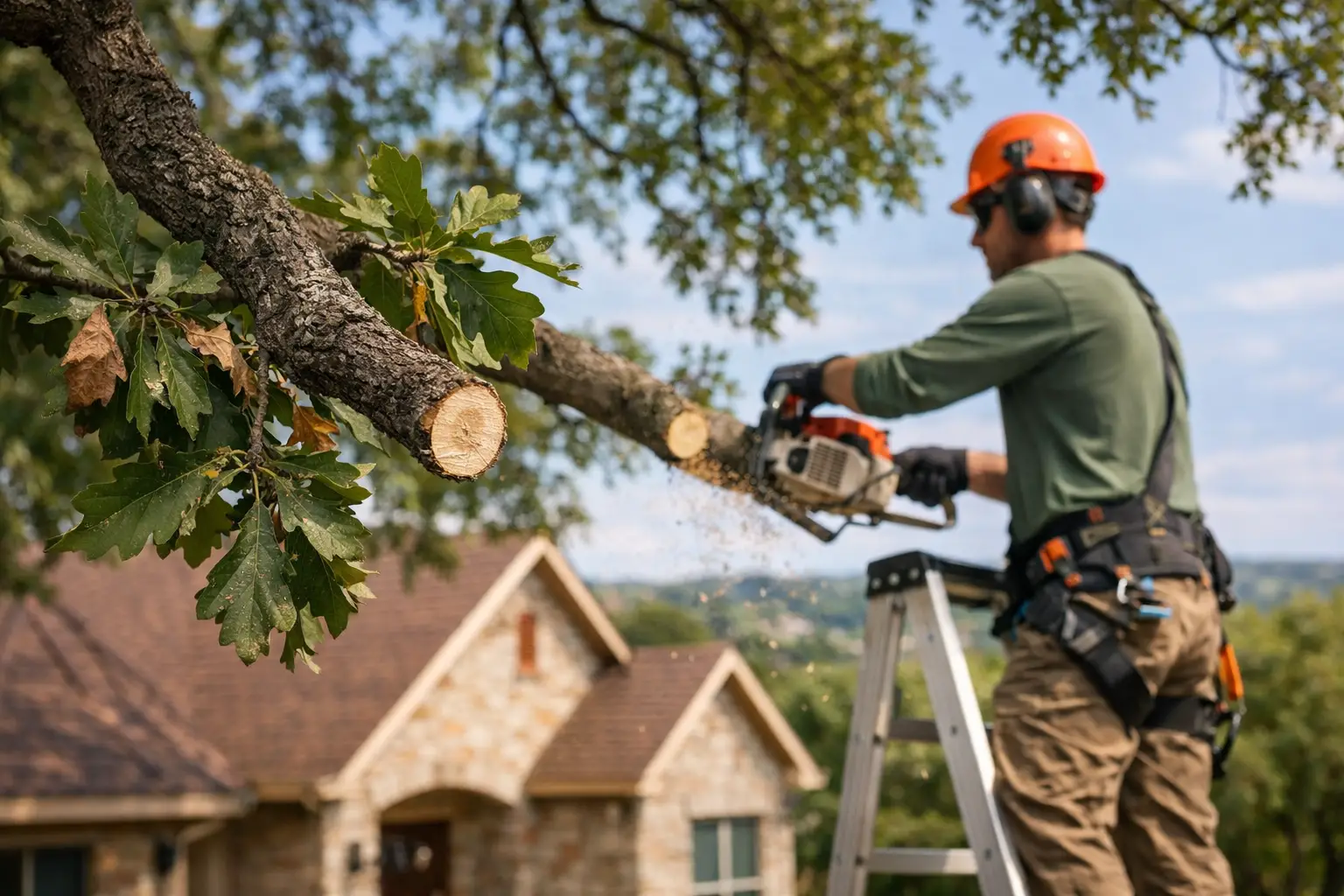
A lot of expensive oak problems start with one small cut at the wrong time of year. If you own mature oaks, understanding oak wilt pruning season Texas homeowners should follow can save you from stress, cleanup costs, and the loss of trees that took decades to grow.
In Central Texas, pruning timing is not just a yard maintenance detail. It is a disease prevention issue. Oaks add shade, curb appeal, and real value to a property, but they are also vulnerable to oak wilt, a fast-moving fungal disease that spreads in part through fresh wounds. That means even routine trimming has to be done with more care than many homeowners realize.
What oak wilt pruning season in Texas really means
When people talk about oak wilt pruning season in Texas, they are usually trying to answer one practical question: when is it safest to cut oak branches? The general rule is simple. The safest period for routine pruning is during the coldest part of the year, typically late fall through winter, with the highest caution in spring when disease-carrying beetles are more active and fresh wounds are more attractive.
For most homeowners, that means planned oak pruning is best handled roughly from November through January. Some crews may extend that window a bit depending on weather, species, and the condition of the tree, but spring is usually the time to avoid unless there is a true safety issue.
That does not mean every cut outside winter will automatically cause oak wilt. It means the risk goes up, and with mature shade trees, unnecessary risk is not worth it.
Why spring pruning is the biggest concern
Spring is when many trees look ready for cleanup. New growth appears, dead tips stand out, and branches hanging over a roof become more obvious. Unfortunately, it is also the time when pruning cuts can create the most trouble for oaks.
Oak wilt spreads when sap-feeding beetles visit fungal mats on infected red oaks and then move to fresh wounds on healthy oaks. A pruning cut, storm break, or bark damage can act like an open invitation. In Texas, this risk is taken seriously because oak wilt has damaged huge numbers of trees, especially in areas where live oaks grow close together.
That matters on residential lots where root systems often overlap. A single infected tree can become a neighborhood problem if it is not handled properly. So while spring may feel like cleanup season, it is usually the wrong time for elective oak trimming.
The safest time for oak pruning in Texas
Winter is preferred because beetle activity is lower, fungal mat formation is less likely, and trees are generally less vulnerable to disease spread through fresh cuts. For homeowners, this makes winter the smart window for routine canopy thinning, clearance pruning, deadwood removal, and structure work on healthy oaks.
There is still a right way to do the job. Safe timing helps, but poor pruning practices can still weaken a tree. Cuts should be clean and placed at the branch collar, not flush with the trunk and not hacked off halfway. Topping should never be part of the plan. It creates weak regrowth, larger wounds, and long-term stress that can make a good tree harder to manage.
This is where experience matters. A proper crew is not just cutting branches. They are balancing clearance, tree health, property protection, and disease prevention at the same time.
When you should not wait for pruning season
Not every situation can sit until winter. If an oak has a split limb over the driveway, storm damage above the roof, or a broken branch hanging over a fence, safety comes first. Hazard reduction is not the same as optional shaping.
When emergency pruning has to happen outside the preferred season, the goal is to make the fewest cuts necessary to remove the immediate risk. Fresh wounds should be painted right away in Texas to reduce attraction to beetles. That step is specific to oak wilt prevention and is one reason oak work should not be treated like generic trimming.
There is a trade-off here. Waiting for the perfect pruning window makes sense for routine work, but it does not make sense if a limb could fail onto your house or where your family parks. In those cases, controlled removal of the danger is the right move, even if timing is not ideal.
How to tell if your oak work is routine or urgent
A lot of homeowners are unsure whether they need pruning now or later. A good rule is to look at the reason for the cut.
If the goal is appearance, light canopy cleanup, roof clearance that is not immediate, or removing minor deadwood, that is usually routine work and can often wait for the safer season. If the goal is dealing with cracked limbs, storm damage, branches rubbing hard against the roof, limbs blocking access, or anything that could fall and damage property, that is urgent.
The hard part is that some trees look stable until they are not. Heavy limbs over homes, pools, driveways, and power drops deserve a closer look, especially after wind or ice. Austin-area properties often have tight spaces where one bad limb failure can hit a fence, tear shingles, or block a street-facing driveway. In those cases, delaying too long can create a bigger and more expensive problem.
Common mistakes homeowners make during oak wilt season
The first mistake is assuming any tree crew will handle oaks correctly. Many low-price crews focus on speed, not process. They may prune during risky periods without discussing oak wilt, make oversized cuts, or leave torn wounds that stress the tree.
The second mistake is doing small DIY cuts in spring because the branch "doesn't look like a big deal." Oak wilt does not need a giant wound. Even minor damage during a high-risk period can matter.
The third mistake is lumping all tree species together. The timing rules for crape myrtles, elms, and hackberries are not the same as for oaks. If you have live oaks or red oaks on the property, the pruning calendar needs to reflect that.
Another common issue is waiting too long on a declining red oak. Red oaks can move from stressed to dead fast when oak wilt is involved. Leaves may discolor and drop quickly, often in a pattern that looks different from normal drought stress. If a red oak appears to be declining fast, that is not something to ignore until next season.
What good oak pruning looks like on a residential property
For most homes, good pruning is not dramatic. It is selective and deliberate. The canopy gets cleaned up, weight is reduced where needed, clearance improves over the roof and driveway, and the tree still looks natural when the job is done.
That matters because over-pruning creates its own problems. Taking too much canopy can stress the tree, increase sun exposure on limbs and turf below, and leave the yard looking hacked up. Homeowners usually want two things at once - less risk and a tree that still provides shade. A professional approach should do both.
On tighter lots, the work also has to protect the property while the job is happening. Branches near fences, patios, AC units, and power lines need controlled lowering, not free-falling cuts. Cleanup should be part of the service, not an extra surprise after the truck leaves.
Planning ahead for the next oak wilt pruning season Texas homes face
The easiest way to avoid bad timing is to plan before the tree becomes urgent. If you know your oaks need clearance or cleanup, schedule that work in the safer window instead of waiting until spring growth makes every branch more noticeable.
This is especially true for homeowners with large live oaks that hang over roofs, sheds, or shared property lines. Those trees usually need periodic maintenance, but they do best with measured pruning at the right time, not reactive cutting whenever a branch starts bothering you.
If you are not sure whether your oak work should happen now or later, the right answer depends on risk. Routine shaping can wait. Safety hazards should not. A dependable tree crew will give you a straight answer, explain the timing, and avoid pushing unnecessary cuts.
For homeowners who want to protect mature shade trees, the best habit is simple: treat oak pruning like preventive maintenance, not a last-minute chore. The right timing, clean cuts, and careful handling can make the difference between a healthy tree and a costly problem that spreads faster than expected.
Texas Tree Authority Hub
Official Texas resources we trust.