When Should a Tree Be Removed From Your Yard?
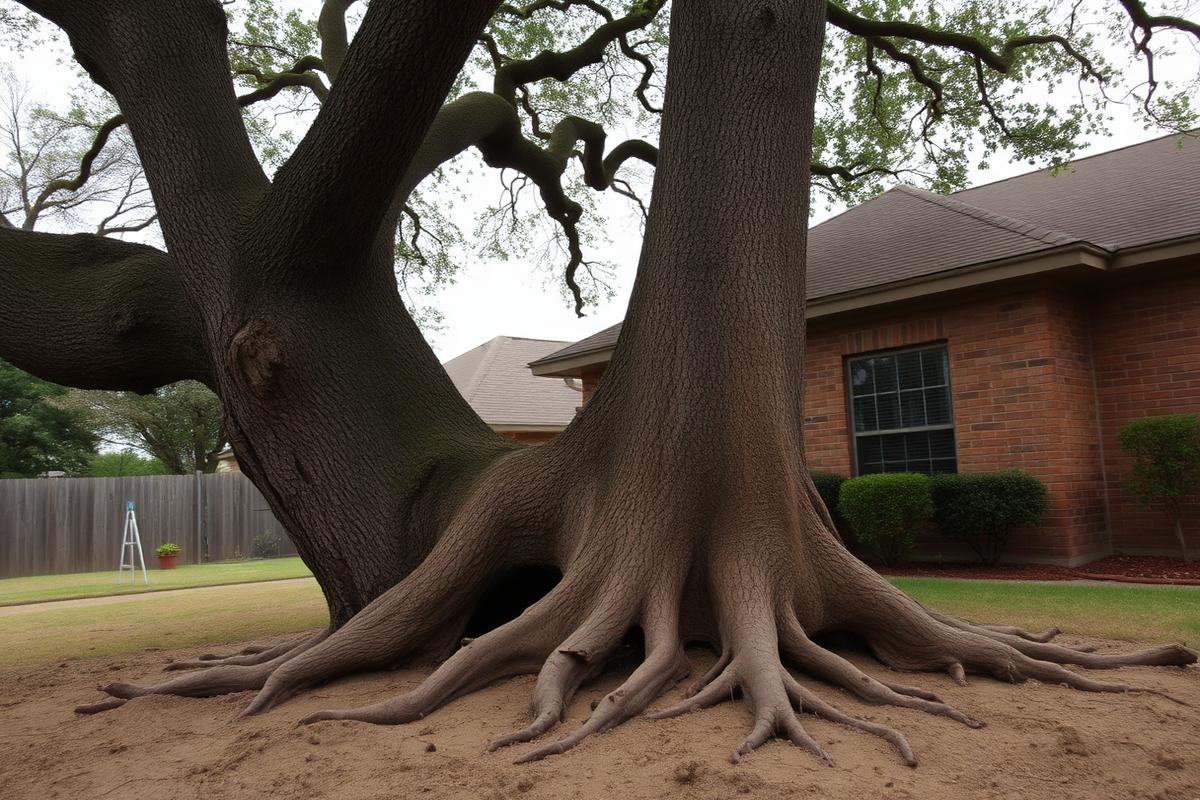
A mature tree can be one of the best parts of a Texas yard - until it starts threatening the roof, leaning over a fence, or dropping heavy limbs where your family parks. Knowing when should a tree be removed is not about cutting down every imperfect tree. It is about recognizing when the risk of leaving it in place is greater than the value it provides.
Most trees with a few dead twigs, a low branch, or a lopsided shape do not need removal. They may need careful pruning instead. But a tree with major structural damage, severe decline, or a failing root system can become a real property hazard, especially during Austin's high winds, heavy rain, and sudden storm events.
When Should a Tree Be Removed?
A tree should be removed when it has a serious likelihood of failing and could damage a home, vehicle, fence, utility line, or nearby area where people spend time. Removal may also be the practical choice when a tree is dead, dying beyond recovery, badly positioned, or causing ongoing damage to a structure.
The key is to look beyond a single leafless branch or a few fallen limbs. Healthy trees shed small branches from time to time. The concern rises when several warning signs show up at once, or when the tree is large enough that even one failed limb could cause costly damage.
For homeowners, the most urgent question is simple: if this tree or branch comes down tonight, what could it hit? A tree standing in open space may allow time for a planned removal. The same tree hanging over a bedroom, pool, driveway, or power line deserves a faster response.
Clear Signs a Tree May Need to Come Down
The tree is dead or rapidly declining
A dead tree does not become safer with time. Its wood dries out, becomes brittle, and loses the strength needed to withstand wind. Dead trees may have bare branches during the growing season, peeling bark, large areas of missing canopy, or mushrooms and decay around the trunk base.
Some decline is not immediately obvious from the ground. If a tree that once leafed out normally now has thin growth, widespread dieback, or large dead limbs throughout the canopy, it is worth having the situation looked at before the next storm. A controlled removal on a calm day is usually safer and less stressful than an emergency job after a limb has already hit the house.
It leans suddenly or the lean is getting worse
Many trees grow with a natural lean and remain stable for decades. A new lean is different. If the angle changed after a storm, drought, construction work, or soil erosion, the roots may be shifting or failing.
Check for fresh cracks in the soil, raised ground on one side of the trunk, exposed roots, or a gap where the root plate appears to be lifting. These signs matter even more if the tree leans toward your home, neighbor's fence, or a high-traffic part of the yard. Keep people away from the area and arrange prompt help rather than trying to pull, brace, or cut the tree yourself.
The trunk has major cracks, cavities, or splitting sections
A tree can survive some trunk damage, but deep cracks and large cavities deserve attention. Vertical splits, open seams where two trunks meet, or a visible crack extending from a major limb into the trunk can indicate a structural failure point.
Multiple trunks are not automatically a problem. However, trees with two or more tall stems joined in a narrow V-shaped connection can split under wind load, particularly when bark is trapped between the stems. Removing one stem through proper pruning may be possible in some cases. In others, the safest choice is full removal before the tree separates without warning.
Roots are damaged, decayed, or disturbed
Roots hold the tree upright, yet most root trouble is hidden below ground. Construction near a tree, trenching for utilities, driveway work, soil grade changes, and repeated flooding can all damage roots. Drought stress can also weaken a tree over time.
Warning signs include mushrooms near the base, soft or hollow wood at ground level, soil heaving, dying branches high in the canopy, and a tree that begins leaning after nearby work. Root problems are especially concerning because a tree can look reasonably healthy above ground while losing the support that keeps it standing.
Large limbs are failing over a target
Sometimes the trunk is sound, but one oversized limb creates the hazard. A heavy limb extending over a roof, play area, driveway, or neighbor's property can fail because of decay, poor attachment, storm damage, or excessive weight at the end of the branch.
Selective pruning is often the right answer when the rest of the tree is healthy. The work should be done with proper cuts near the branch collar, not with topping or random stubs that invite decay and weak regrowth. If the canopy cannot be made safe without severely compromising the tree, removal may be the more responsible option.
Trees Too Close to Homes and Utilities
A tree does not need to be sick to create a removal question. Trees planted too close to a house can scrape roofing, block gutters, crowd siding, interfere with a foundation area, and provide a path for pests. Branches over a roof also drop leaves, acorns, and small debris that collect in gutters and trap moisture.
Pruning can often restore reasonable clearance. As a practical rule, branches should not rest on the roof or repeatedly rub against the structure. But when a large tree is tightly wedged between a home, fence, driveway, and utility line, repeated aggressive pruning can become a costly cycle. Removal and replacement with a better-sized tree may make more sense over the long term.
Power lines require extra caution. Never attempt to trim or remove a tree that is touching, leaning into, or growing through electrical lines. Treat every line as live, keep your distance, and call the appropriate utility provider or insured tree crew. This is not a place for a ladder, a chainsaw, or a neighbor's pickup truck.
Austin-Specific Concerns: Storms, Drought, and Oak Wilt
Central Texas trees deal with extremes. Long dry stretches can stress roots and branches, then a heavy rainstorm can saturate the soil and push an already weakened tree closer to failure. High winds may expose defects that were not visible from the ground.
Oak trees deserve particular care in the Austin area. Oak wilt can spread through fresh wounds under certain conditions, which is why timing and proper wound practices matter when pruning or removing oaks. A crew should take the necessary precautions, avoid careless cuts, and keep equipment practices focused on limiting disease spread.
Storm-damaged trees also need a calm, careful assessment. A branch caught in another branch, a cracked leader, or a partially uprooted tree can shift suddenly while it is being cut. The cheapest quote is not a bargain if the crew cannot safely control pieces over your roof, pool, fence, or driveway.
Removal Versus Pruning: Make the Right Call
Removal is permanent, so it should not be the default answer to every tree issue. A healthy tree with deadwood, low clearance, or one problematic limb may only need pruning. Proper pruning can improve clearance, reduce limb weight, and remove damaged sections while preserving shade and curb appeal.
Removal becomes the better choice when pruning cannot reduce the risk to an acceptable level. That may mean extensive trunk decay, a badly compromised root system, a dead tree, or a structural defect directly over a valuable target. It can also be appropriate when a tree is causing repeated damage and there is no practical way to maintain enough clearance.
Ask for straight answers about what work is needed and why. A reliable crew should explain whether the goal is hazard reduction, roof clearance, storm cleanup, or full removal. You should also know how the tree will be brought down, especially in a tight residential yard. Controlled rigging and section-by-section removal can protect nearby structures when there is no safe open drop zone.
What to Do If You Suspect a Tree Is Unsafe
Do not climb the tree, cut a cracked limb, or park beneath a suspected hazard while you decide what to do. Keep children and pets away from the area. If a tree is on a power line or poses an immediate threat to a home, contact emergency services or the utility provider as appropriate.
For a non-emergency concern, take a few photos from a safe distance and schedule an on-site estimate. A reputable insured crew can look at the tree's condition, access points, nearby targets, and the safest removal or pruning plan. At Douglas Tree Service ATX, homeowners get a free on-site estimate, no-deposit booking, and cleanup included, so there is no need to gamble on a rushed do-it-yourself fix.
A good tree adds shade, value, and character to your property. But when it shows signs that it may fail, acting early protects the home and gives you more control over the cost, timing, and outcome of the work.
Texas Tree Authority Hub
Official Texas resources we trust.