Tree Removal Austin, TX Homeowners Can Trust
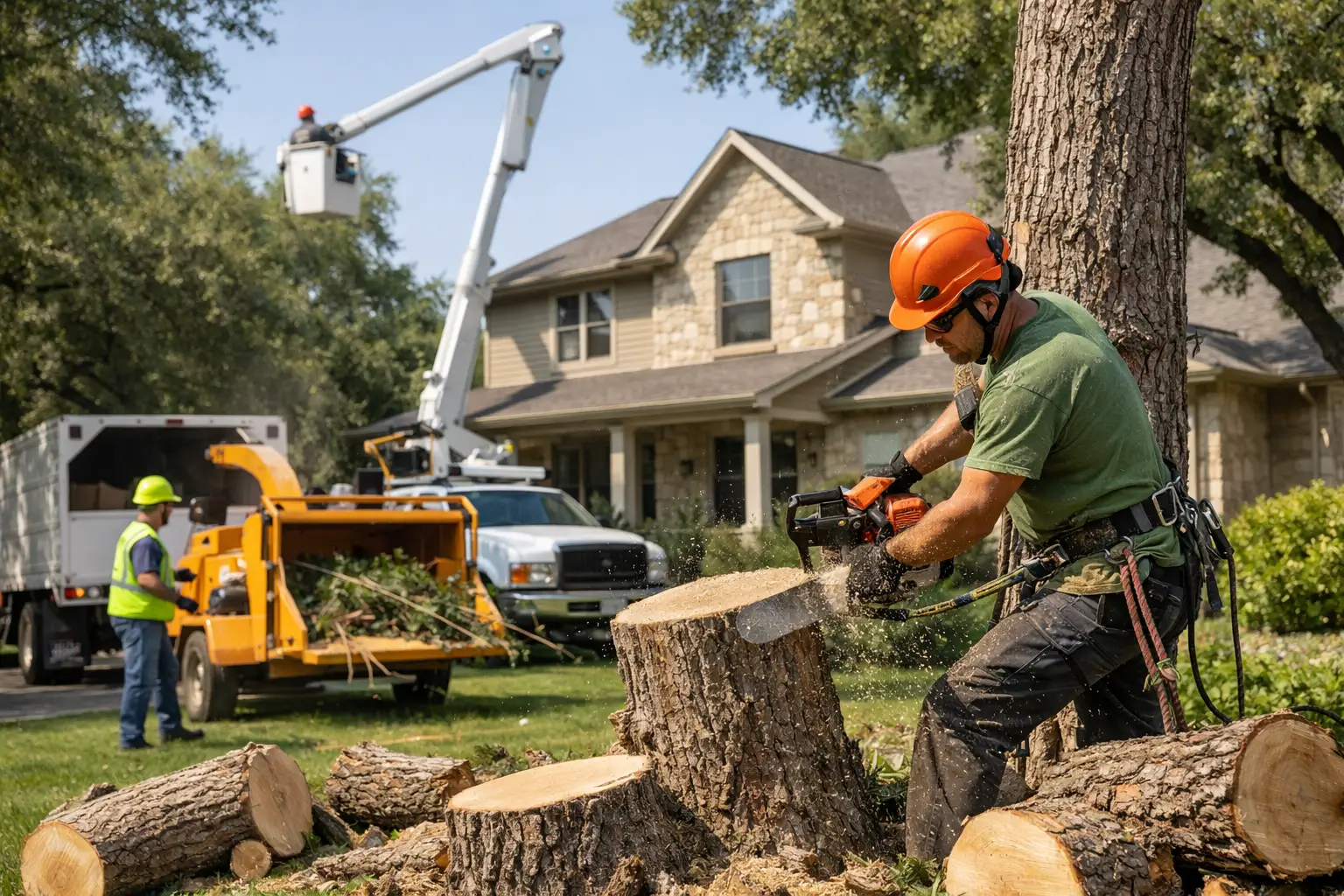
A tree can look healthy from the street and still create a real problem over a roof, fence, driveway, or power line. For tree removal Austin, TX homeowners need, the goal is not simply to get a tree on the ground. It is to remove the risk without damaging the property you have worked hard to maintain.
That takes more than a chainsaw and a low quote. It takes a crew that plans the drop zone, understands tight residential spaces, uses controlled rigging when necessary, and cleans up when the work is done. If a tree is concerning you, here is how to tell whether removal is the right call and what a professional job should look like.
When Tree Removal Is the Safer Choice
Not every overgrown tree needs to come down. Many issues can be corrected with careful pruning, deadwood removal, canopy reduction, or clearance cuts away from the roof. But some trees have defects that make pruning a temporary fix at best.
A severe lean is one of the clearest warning signs, especially if the lean is recent or the ground at the base appears lifted, cracked, or soft. A tree that suddenly shifts after heavy rain may have a compromised root system. Central Texas soil can become saturated quickly during strong storms, and a mature tree with weakened roots can fail with little warning.
Visible decay is another reason to take action. Cavities, fungal growth around the base, peeling bark, large dead limbs, and deep cracks where major stems meet can all point to structural weakness. A hollow section does not automatically mean a tree must be removed, but it does deserve a close look before the next wind event.
Removal also makes practical sense when a tree is growing too close to a structure. Limbs rubbing the roof can wear down shingles and create entry points for pests. Roots can interfere with hardscape, and a canopy hanging over a pool, driveway, or children’s play area raises the stakes when deadwood begins to fall.
For Austin homeowners, oak wilt is another concern worth taking seriously. Certain oak trees can spread the disease through fresh pruning wounds during higher-risk periods. Proper timing and sealing cuts when appropriate are part of responsible tree work. A crew should never treat oak pruning as a casual task.
What Safe Tree Removal in Austin, TX Looks Like
The safest removal method depends on the tree, the available access, and what sits beneath it. An open lot may allow a tree to be felled in one controlled direction. Most residential yards do not offer that kind of room.
When a tree stands near a home, fence, garage, pool, or utility line, it is often removed in sections from the top down. Climbers or bucket crews cut manageable pieces, then lower them with ropes and rigging rather than letting heavy wood free-fall into the yard. This approach takes more time, but it protects the areas that matter most.
A professional crew should begin by identifying hazards and planning where equipment, brush, logs, and trucks will go. They should also consider gate width, driveway protection, overhead lines, neighbor access, and the condition of the ground. A wet yard may require a different approach than a dry one, especially where heavy equipment could rut grass or damage irrigation.
There is a trade-off here. The fastest method is not always the safest method, and the cheapest quote may leave out the careful work that prevents damage. A fair price should reflect the tree’s size, its condition, access limitations, nearby structures, disposal needs, and the level of rigging required.
What Affects the Cost of Tree Removal?
Homeowners understandably want a price before committing. The most accurate answer comes from an on-site estimate because two trees of the same height can be completely different jobs.
A small tree in an open front yard may be straightforward. A similar-sized tree growing between a house and a fence may require climbing, rope work, and piece-by-piece removal. Large trees with dead sections, difficult access, or limbs over a roof generally take more labor and more careful planning.
Stump grinding is usually priced separately from removing the tree itself. Leaving a stump can be fine in some areas, but it may get in the way of replanting, mowing, landscaping, or future construction. Grinding removes the visible stump below grade, though roots will remain underground and gradually break down over time.
Cleanup should also be clear before work starts. Ask whether the quote includes hauling away branches and logs, raking the work area, and removing debris from the street or driveway. Full cleanup should not be an afterthought. When the crew leaves, your property should look orderly, not like a work zone waiting for another contractor.
Questions to Ask Before You Hire a Tree Crew
Tree work carries real risk, so a few direct questions can help you avoid a bad decision. Start by confirming that the company is insured and ask how it plans to protect your home, fence, driveway, and surrounding landscape. If the answer is vague, that is useful information.
It also helps to ask whether the estimate includes all hauling and cleanup, whether a deposit is required, and how scheduling works if weather changes the plan. Clear communication matters when a job affects access to your driveway or requires neighbors to move vehicles.
Be cautious of anyone who pressures you to decide immediately, quotes a price without looking at the tree, or promises to remove a large tree with no discussion of nearby obstacles. Tree removal is not a place to gamble on a verbal promise from an uninsured crew.
Douglas Tree Service ATX provides free on-site estimates, insured service, no-deposit booking, and cleanup included. That means homeowners can get straight answers about the job before deciding whether to move forward.
Emergency Tree Problems Should Not Wait
A tree does not have to be fully down to create an emergency. A large broken limb suspended over a roof, a split trunk after a storm, or a tree leaning into power lines can require prompt attention. Keep people, pets, and vehicles away from the area, especially after dark or during continuing high winds.
If a limb is touching or threatening a power line, do not attempt to cut it, pull it, or use a ladder near it. Contact the utility provider for immediate electrical hazards, then arrange qualified tree service once the area is safe. Electricity can travel through branches, tools, wet ground, and fencing in ways homeowners cannot safely predict.
For non-electrical storm damage, photos can help document the condition for insurance purposes, but do not stand beneath hanging limbs to get them. A damaged branch can release without warning. The right crew can assess the safest order of work, stabilize the situation, and remove the broken material with controlled cuts.
Removal Is Only One Part of Protecting Your Property
Good tree care is often about acting before a branch becomes an emergency. Regular pruning can improve roof clearance, remove deadwood, reduce limb weight, and keep a canopy from crowding structures. Proper cuts matter. Topping a tree may look like a quick solution, but it can trigger weak regrowth and create bigger hazards later.
If removal is necessary, it should leave you with a cleaner, safer yard and a clear understanding of what was done. Look for a company that respects the property, explains the plan in plain language, and does not disappear once the last limb is down.
A concerning tree rarely becomes less concerning by waiting through another storm season. Getting a free, no-pressure on-site estimate gives you a practical next step and the peace of mind to make the right call for your home.
Texas Tree Authority Hub
Official Texas resources we trust.