How Much Tree Clearance From House Is Safe?
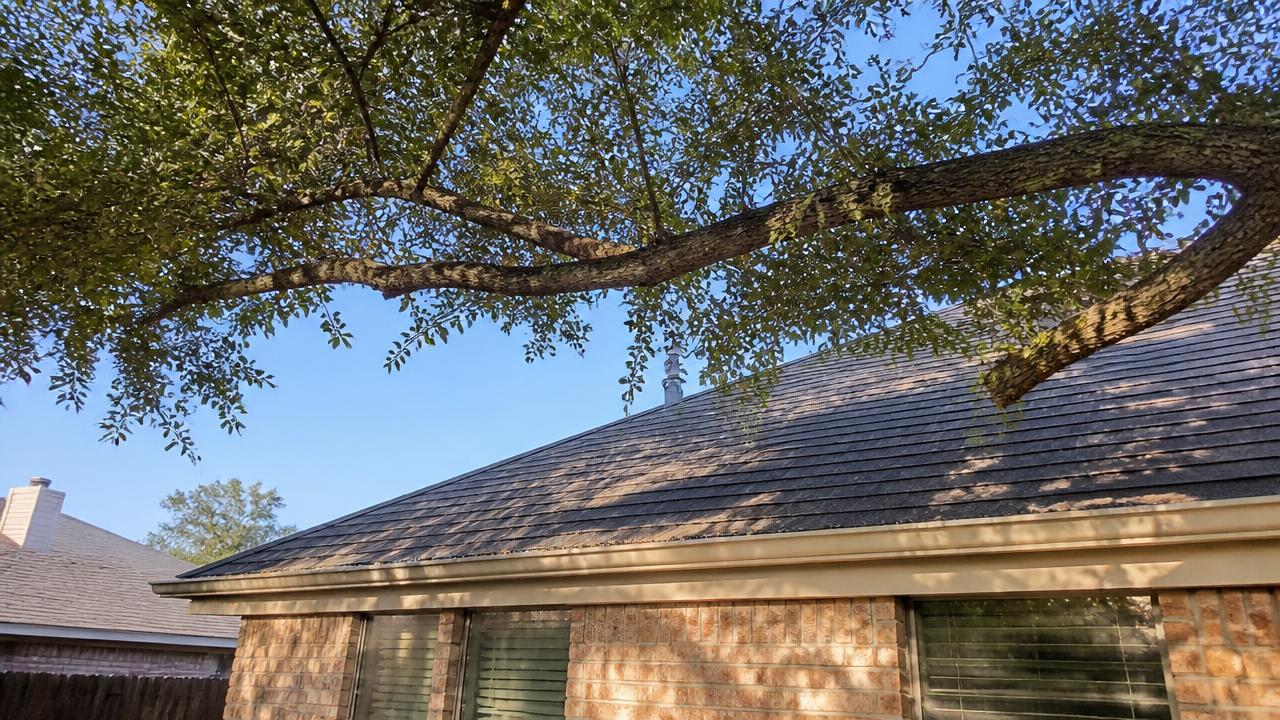
A live oak limb rubbing shingles can look like a small maintenance issue - until a windy Austin storm turns it into roof damage. Proper tree clearance from house is not about stripping every branch away from your yard. It is about giving your roof, siding, gutters, windows, and foundation enough room to stay protected while keeping the tree healthy and well-shaped.
The right amount of space depends on the tree species, limb size, growth direction, condition of the wood, and what sits below it. A young branch over a one-story roof calls for a different plan than a heavy, cracked limb hanging over a bedroom, pool, or power line. Straight answers start with looking at the whole situation, not guessing from the ground.
Recommended Tree Clearance From House
For most residential properties, branches should not rest on or scrape the house at any point. Even light contact wears down shingles, siding, paint, and gutters over time. It also gives squirrels, rats, and insects an easy route onto the roof and into vulnerable openings.
As a practical rule, aim to keep small branches several feet away from the roofline and larger limbs farther back whenever the tree can tolerate that pruning. Clearance should account for normal branch movement in wind, not just where the limb sits on a calm afternoon. A branch that appears to clear the roof by a foot may still strike it every time a thunderstorm rolls through.
Roof clearance is only part of the picture. Look for limbs near upper-story windows, chimneys, solar panels, gutters, exterior lighting, and HVAC equipment. Trees growing close to a wall can also trap moisture and reduce airflow, which may contribute to mildew, algae, or premature wear on siding.
When a Tree Needs More Than Routine Trimming
Some trees can be pruned back safely with a few targeted cuts. Others are too close, too large, or too compromised for a simple trim to solve the problem. The goal is never to remove healthy canopy without a reason. But there are situations where delaying action puts the house at risk.
Watch for a limb that has grown directly over the roof and is increasing in diameter each year. A small branch may be manageable, while a mature limb can become too heavy to leave hanging over the structure. Also pay attention to limbs with visible cracks, dead sections, bark splitting at the union, or a sudden downward droop. Those signs can mean the branch is no longer carrying its load safely.
A tree leaning toward the house deserves a closer look, especially if the lean is new, the ground is lifting around the roots, or soil has washed away after heavy rain. Lean alone does not automatically mean removal. Many established trees naturally grow at an angle. What matters is whether the tree is stable, whether the lean has changed, and whether there is a realistic way to reduce risk without damaging the tree.
Why Cutting Back the Wrong Way Creates New Problems
Homeowners sometimes ask for a tree to be cut far back from the house in one visit. That can be tempting after a close call, but aggressive cutting can create a weaker tree. Topping - cutting major limbs back to stubs - encourages fast, poorly attached regrowth and leaves large wounds that may decline over time.
A better approach is selective pruning. A crew removes dead, damaged, rubbing, or poorly positioned limbs and makes proper cuts near the branch collar. This maintains a more natural shape and reduces the chance of stressed regrowth. In many cases, a few well-placed reduction cuts create better clearance than removing every branch on one side of the tree.
Timing matters in Central Texas, too. Oak pruning requires extra care because of oak wilt concerns. If oak work must be performed during a higher-risk period, the crew should use appropriate prevention practices and protect fresh cuts promptly. Fast, cheap cutting without attention to tree health can cost more later.
Roof, Driveway, and Fence Clearance Need Different Plans
Not every clearance job has the same risk. A limb over open lawn may be lowered in manageable pieces. A limb above a roof, fence, driveway, or pool needs controlled rigging so each section is secured and directed away from the property.
That is especially true in the tighter lots common around Austin, Round Rock, Pflugerville, and West Lake Hills. There may be very little room between a large tree and a neighbor's fence, a parked vehicle, or the home itself. The safe answer is not to drop bigger pieces and hope for the best. It is to break the work into smaller sections, use ropes where needed, and keep the landing area controlled.
Power lines add another level of concern. Never try to prune or remove limbs touching or close to electrical service lines yourself. Some line work must be handled by the utility provider, and a professional tree crew should evaluate the setup before work begins. A branch can conduct danger in ways that are not obvious from the ground.
Signs You Should Schedule Tree Work Soon
Clearance work is easier, safer, and often less disruptive before a branch becomes an emergency. It is wise to arrange an on-site look when you notice several of these conditions:
- Branches scrape the roof, siding, gutters, windows, or chimney during wind.
- Large limbs extend over bedrooms, outdoor living areas, vehicles, or a pool.
- Deadwood is visible in the canopy, especially above the house or driveway.
- A branch union has a crack, split, or included bark that looks like it may separate.
- The tree has recently leaned, lost roots, or changed noticeably after a storm.
Storm-damaged trees should be treated differently from routine maintenance. If a limb is suspended in another branch, pressing against the roof, or hanging over an access point, keep people away from the area. Do not climb a ladder or pull on the limb. Storm tension can release without warning, and the safest plan is usually an emergency response with the right equipment and crew.
What a Professional Clearance Job Should Include
A good estimate should explain what will be pruned, what will be removed, and why. You should not have to accept vague promises to “clean it up” or make a rushed deposit to get on the schedule. Ask how the crew will protect the roof, fence, driveway, landscaping, and nearby structures while work is underway.
For a typical house-clearance job, the work should include careful limb selection, proper pruning cuts, controlled lowering when space is tight, removal of debris, and a full cleanup of the work area. If a stump is left after tree removal, stump grinding can be planned separately based on the location and your plans for the yard.
Price depends on height, access, branch size, the amount of rigging required, nearby hazards, and disposal volume. A small roofline trim may be straightforward. A large limb suspended over a two-story roof with limited access is a technical job, and the quote should reflect the safety measures required to protect the property. The lowest price is not always the lowest risk.
How Homeowners Can Prevent Clearance Problems
A quick seasonal walk around the house can catch problems early. Look up from the driveway and yard after strong winds. Check whether branches have begun touching the roof, whether gutters are constantly filling with leaves and twigs, and whether a limb is moving closer to a window or utility line.
It also helps to keep roof and tree maintenance connected. If you are replacing shingles, repairing gutters, adding solar panels, or painting the exterior, evaluate nearby limbs first. Handling clearance before other exterior work can prevent new damage and give contractors safer access.
Douglas Tree Service ATX provides free on-site estimates, insured work, no-deposit booking, and cleanup included, so homeowners can get a clear plan before a close branch becomes a costly repair. If a tree is crowding your home, acting while the work is controlled is usually the best way to protect both the structure and the tree.
Texas Tree Authority Hub
Official Texas resources we trust.