Top Tree Removal: Fast Tree Removal in Austin
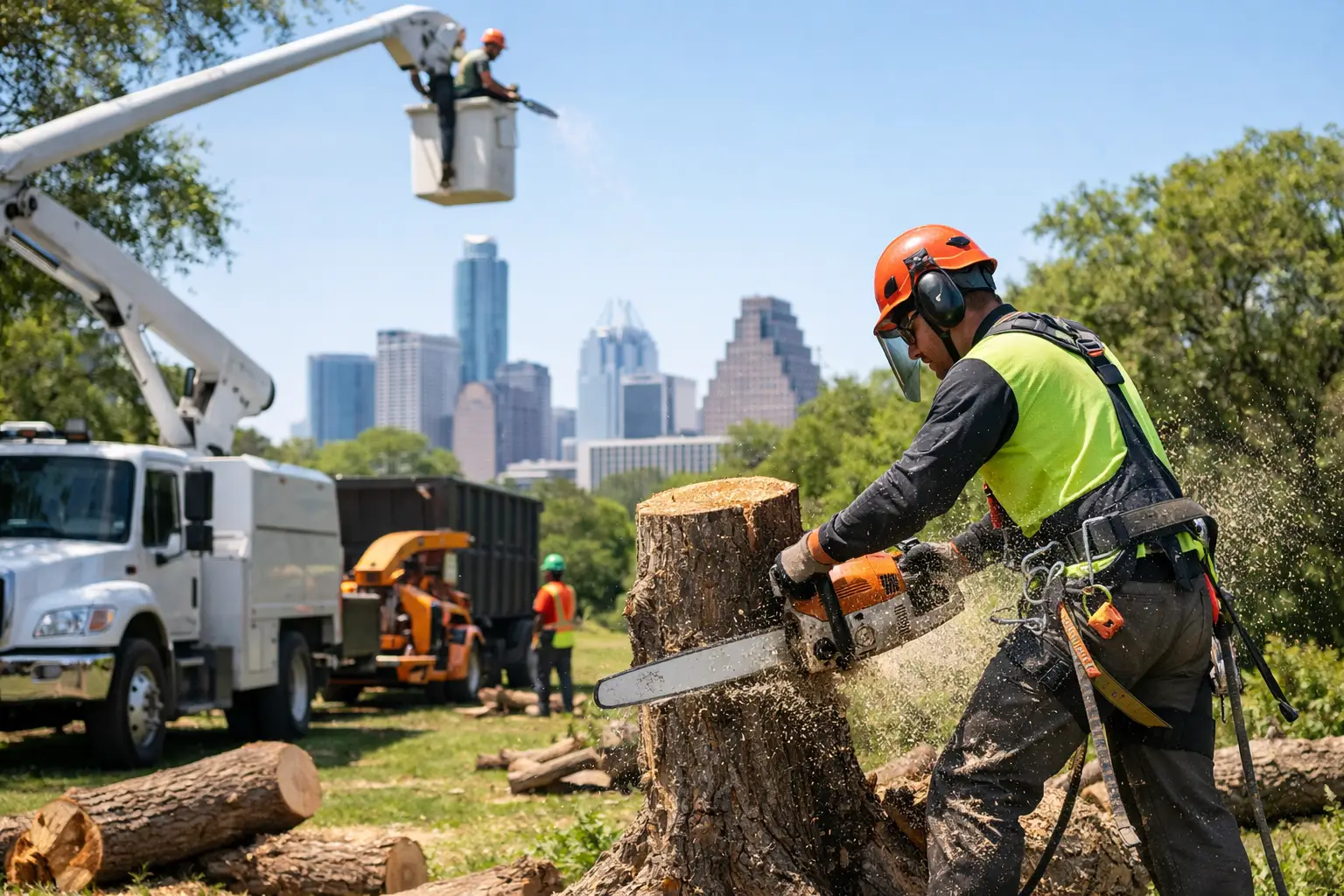
A tree can go from background scenery to urgent problem fast. One hard lean after a storm, one split limb over the driveway, or one dead trunk close to the roof is all it takes. If you are searching for top tree removal - fast tree removal in Austin, speed matters, but so does how the work gets done.
Homeowners usually call for fast removal when the tree is no longer something to watch. It is something that can hit a fence, crush a car, scrape a roof, or block access to the house. In those moments, the right question is not just who can get there quickly. It is who can remove the tree safely, protect the property, and leave the yard clean when the job is done.
What fast tree removal really means
Fast tree removal does not mean rushed work. It means quick communication, a clear on-site assessment, and a crew that knows how to move efficiently without taking shortcuts. That difference matters a lot on residential properties where a tree may be boxed in by fencing, utility lines, landscaping, patios, or a neighbor's structure.
A good tree crew can often work quickly because they already have a process. They know when a tree can be dropped in one piece, when it has to be dismantled section by section, and when controlled rigging is the only smart option. The speed comes from experience and planning, not from guessing.
In Austin neighborhoods, that matters even more because many yards were not designed for heavy access. Narrow side gates, overhead lines, tight setbacks, and mature trees close to homes are common. Removing a tree fast is one thing. Removing it without damaging shingles, cracking a driveway, or smashing a fence is the real job.
Top tree removal company in Austin starts with risk, not size
A lot of homeowners assume the biggest tree is automatically the most urgent. Sometimes that is true, but not always. A smaller tree with a split trunk over a bedroom can be more dangerous than a larger tree standing stable in the back corner of the lot.
That is why top tree removal in Austin usually starts with risk level. Crews look at lean, root stability, deadwood, storm damage, decay, roof clearance, and how close the tree is to targets like homes, vehicles, fences, and power lines. A fast response makes sense when the hazard is active, not just inconvenient.
There is also a difference between a tree that needs removal now and one that can be scheduled in the next available opening. If the tree is hanging, cracked, uprooted, or resting on a structure, the timeline changes. If it is dead but stable, there may be more flexibility. Straight answers help homeowners make that call without feeling pressured.
Why tight-space removal takes skill
The hardest removals are often not the tallest ones. They are the trees wedged into narrow spaces where every cut has consequences. A limb over a pool, a trunk between a fence and garage, or a canopy tangled near service lines all require controlled work.
In those cases, a crew may lower sections by rope instead of letting them fall freely. That takes more time than a simple open-area removal, but it is the safer approach. Homeowners sometimes compare quotes without realizing one company priced in actual rigging and cleanup while another priced the job like it was in an empty field.
Fast does not always mean same-hour completion. Sometimes it means showing up quickly, stabilizing the situation, and removing the tree in the safest sequence possible.
What affects how fast a tree can be removed
The first factor is access. If a crew can back equipment into the yard, the job may move much faster. If everything has to be carried by hand through a narrow gate, production slows down. That does not mean the crew is inefficient. It means the property demands a different approach.
The second factor is tree condition. Dead trees can be brittle and unpredictable. Storm-damaged trees may be under tension, which changes how cuts have to be made. A healthy tree can sometimes be more straightforward to dismantle than a damaged one because the wood responds more predictably.
The third factor is what needs protection. Roofs, windows, AC units, sheds, gardens, decorative stone, and neighboring property all change the removal plan. Property protection is part of the work, not an extra.
Cleanup also affects total time, and it should. Homeowners do not want a pile of brush left at the curb unless that was discussed in advance. Full cleanup, hauling, and stump grinding if requested all add time, but they save the homeowner from dealing with the mess later.
Price matters, but the cheapest bid can get expensive
Most homeowners want a fair quote. That is reasonable. Tree removal is not a small purchase, especially when the work is technical. But there is a difference between fair pricing and bargain pricing that leaves out the hard parts.
Low bids often skip over things that matter: insurance, careful rigging, enough crew for safe handling, proper cleanup, or realistic time for a difficult removal. That can show up later as broken fence panels, torn-up lawns, or a crew asking for more money once the job starts.
A solid quote usually reflects the actual conditions of the property. It accounts for the tree's size, location, hazard level, labor, haul-off, and whether stump grinding is included or separate. Homeowners should not be expected to know every technical detail. They should, however, get a clear explanation of what the price covers.
What to expect from a reliable tree crew
A reliable crew does a few things consistently. They answer quickly, show up when they say they will, explain the plan in plain language, and do not ask for a deposit just to hold a spot on the schedule. They are insured, careful around structures, and respectful of the property.
They also know that cleanup is part of the service. When the job is done, the goal is not just that the tree is gone. The goal is that the yard looks put back together.
That is one reason many homeowners choose owner-managed local companies like Douglas Tree Service ATX. They want direct communication, fair quotes, and a crew that treats the work like it is happening in their own neighborhood.
Fast removal is especially important after storms
After high winds or heavy rain, tree calls tend to come in waves. Limbs snap, root plates shift, and previously manageable trees become immediate hazards. In those moments, response time matters because damage can spread. A partially failed tree can still move more, especially if another storm passes through before it is addressed.
That said, storm work is not always first come, first served. It is usually triaged by risk. A tree on a roof takes priority over a branch pile in the back yard. A cracked trunk over a driveway may move ahead of a routine removal that was already scheduled. Most homeowners understand that when it is explained clearly.
If you are dealing with storm damage, photos can help during the first call, but they rarely tell the whole story. The real decisions happen on site, where the crew can see tension, weight distribution, access limits, and what needs to be protected.
Questions worth asking before you book
You do not need a long checklist. A few practical questions will tell you a lot. Ask whether the company is insured, whether cleanup is included, whether they need a deposit, and how they plan to handle the tree if it is close to the house or power lines.
It also helps to ask what could change the price. Sometimes the answer is nothing. Other times, hidden decay, blocked access, or extra hauling can affect the final cost. Honest companies explain that upfront instead of surprising you later.
If stump grinding matters to you, ask whether it is part of the quote or a separate line item. Some homeowners only need the tree removed. Others want the site fully cleared so they can replant, install sod, or use the area again.
The right fast tree removal choice feels straightforward
When a tree problem is urgent, homeowners do not want a sales pitch. They want quick answers, a fair quote, and confidence that the crew can handle the job without turning one problem into two. That is what good service feels like - calm, capable, and clear from the first call to the final cleanup.
If a tree on your property is leaning, dead, storm-damaged, or too close to what matters most, do not wait for the next windy day to make the decision for you. The best time to handle a risky tree is before it handles your roof, fence, or driveway for you.
Texas Tree Authority Hub
Official Texas resources we trust.