How to Prune Trees Safely Without Damaging Them
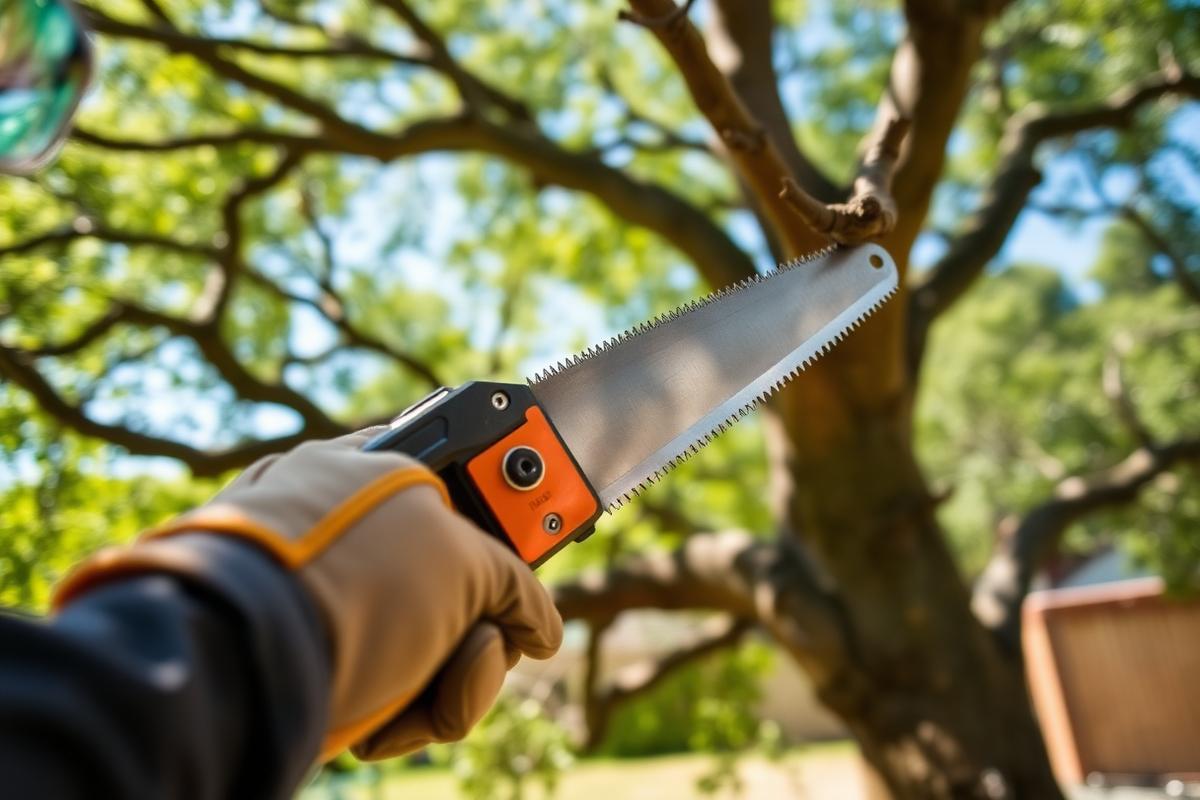
A low branch rubbing a roof or blocking a walkway may look like a quick weekend fix. But learning how to prune trees safely means knowing where a simple cut ends and a dangerous job begins. The wrong cut can invite decay, weaken the canopy, drop a limb on a fence, or turn a healthy tree into a long-term problem.
For homeowners, good pruning is not about making a tree look smaller. It is about removing the right growth while protecting the tree, your home, and everyone below it. Start with a clear plan, use the right tools, and do not try to handle branches that are beyond your safe reach or control.
Start With a Ground-Level Inspection
Walk around the entire tree before picking up a saw. Look for dead, cracked, hanging, or rubbing branches. Notice where limbs extend over your roof, driveway, fence, play area, or pool. Also look up for utility lines, because even a small branch can become dangerous when it contacts power lines.
A branch that looks manageable from the ground can be much heavier than expected. Its path on the way down may be unpredictable, especially if it is caught in other limbs. Think through where the branch could swing, fall, or bounce before deciding whether the work is appropriate for a homeowner.
For light pruning, choose a dry day with little wind. Wet bark is slick, wet tools are harder to control, and wind changes the way a branch moves as it is cut. Keep kids, pets, vehicles, and anyone not helping well outside the work area.
Know when to stop and call a professional
There is no prize for taking on a risky tree job. Leave the work to an insured tree crew when a limb is near power lines, over a structure, larger than you can comfortably control, tangled in other branches, or requires a ladder and a chainsaw at the same time.
The same applies to split trunks, leaning trees, storm-damaged limbs, and dead branches high in the canopy. These jobs often require ropes, controlled rigging, and a planned drop zone. In tight residential yards, one bad cut can damage a roof, fence, vehicle, or neighboring property.
How to Prune Trees Safely, One Cut at a Time
Safe pruning starts with restraint. Remove only what has a clear purpose: dead wood, broken limbs, branches rubbing against each other, suckers at the base, or small branches causing a minor clearance issue. Avoid taking off large amounts of healthy growth just because the tree feels overgrown.
As a general rule, do not remove more than about 20 to 25 percent of a mature tree's live canopy in one season. Heavy pruning can stress the tree, encourage weak fast-growing shoots, and leave bark exposed to harsh Texas sun. Young trees can benefit from careful structural pruning, but the goal is still selective cuts, not aggressive thinning.
Use tools that match the job
Hand pruners work well for small twigs. Loppers handle somewhat thicker branches, while a hand pruning saw is usually the best choice for branches too large for loppers. Keep blades sharp and clean. Dull tools crush tissue instead of making a clean cut, which slows recovery and makes the work harder on your hands.
Wear safety glasses, sturdy gloves, closed-toe boots with good traction, and long pants. Hearing protection is smart when using powered equipment. A hard hat is a good idea whenever there is any chance of overhead debris.
Avoid using a chainsaw from a ladder. Ladders are unstable around trees, and a saw can pull your attention away from your footing in an instant. A pole pruner can be useful for small, reachable limbs, but it also creates a direct overhead hazard. Never stand beneath the branch you are cutting.
Find the branch collar before cutting
The branch collar is the slightly swollen area where a branch joins the trunk or a larger limb. This tissue helps the tree seal the wound after pruning. Make your final cut just outside that collar, without cutting into it and without leaving a long stub.
A flush cut, where the branch is shaved tight against the trunk, may look neat at first. It is not a healthy cut. It removes protective tissue and can create a larger wound that struggles to close. A long stub is not the answer either, because it can die back and decay.
For a branch thicker than about an inch, use the three-cut method to prevent bark from tearing. First, make a small undercut several inches out from the trunk. Next, cut from the top a little farther out until the branch drops. Then remove the remaining stub with a clean final cut just outside the branch collar.
Choose the Right Time for Austin Trees
Timing depends on the species and why you are pruning. Dead, broken, or hazardous limbs can be removed when conditions are safe. Routine pruning, however, should respect the tree's growth cycle and local disease concerns.
In the Austin area, live oaks deserve special attention because oak wilt can spread through fresh wounds. Avoid unnecessary pruning during higher-risk periods, commonly late winter through early summer. When pruning cannot wait, clean tools between trees and promptly apply an appropriate pruning paint to fresh oak wounds, following current local guidance.
For many deciduous trees, the dormant season is a practical time for structural pruning because the branch pattern is easier to see and the tree is under less active growth pressure. Spring-flowering trees are different. If you prune them too early, you may remove the buds that would have produced flowers. In those cases, prune soon after blooming if the work is not urgent.
Texas heat also changes the equation. Removing too much shade from a tree's trunk or major limbs can lead to sunscald. On stressed trees, less is usually better.
Avoid These Common Pruning Mistakes
Topping is one of the most damaging practices homeowners see from low-cost crews. Topping means cutting major branches back to blunt stubs or cutting the upper portion of a tree off to quickly reduce height. It creates large wounds and often leads to weak, fast-growing shoots that are more likely to fail later.
Do not "lion-tail" a tree by stripping too much interior growth and leaving foliage only at the tips. This shifts weight outward, increases wind stress, and can make limbs more vulnerable during storms. A properly pruned canopy should still look natural and balanced.
Also resist the urge to paint every pruning wound. Most trees seal small, properly placed cuts on their own. Oak pruning is a notable local exception because protecting fresh wounds can help reduce oak wilt risk. For other trees, the better solution is a clean cut in the right location.
Finally, do not assume a tree that looks green is structurally sound. Internal decay, root problems, and old storm damage can be hidden. Warning signs include mushrooms near the base, peeling bark, deep cracks, a new lean, hollow areas, or limbs that repeatedly shed during normal weather.
Protect Your Property While You Prune
Before trimming near a roof, identify where branches could land. Covering landscaping with a tarp may help with small debris, but it will not protect plants, fences, or shingles from a heavy limb. Do not cut a large branch in sections unless you can control each piece from the ground without placing yourself under the load.
Cleanup matters, too. Pick up every branch, rake smaller debris, and check walkways and driveways for twigs that could cause slips or puncture tires. If a branch is too large for curbside collection, do not leave it stacked against your home or fence where it can attract pests or create a fire concern.
When a job calls for ropes, precision cutting, or careful lowering near a home, that is professional tree work. Douglas Tree Service ATX handles that kind of controlled pruning with insured service, no deposit, and full cleanup included.
A healthy tree should look like itself when the work is done, just safer, better balanced, and clear of the places it should not be. If you cannot predict exactly where a branch will go, leave the saw down and protect the property first.
Texas Tree Authority Hub
Official Texas resources we trust.