How Much Does Stump Grinding Cost?
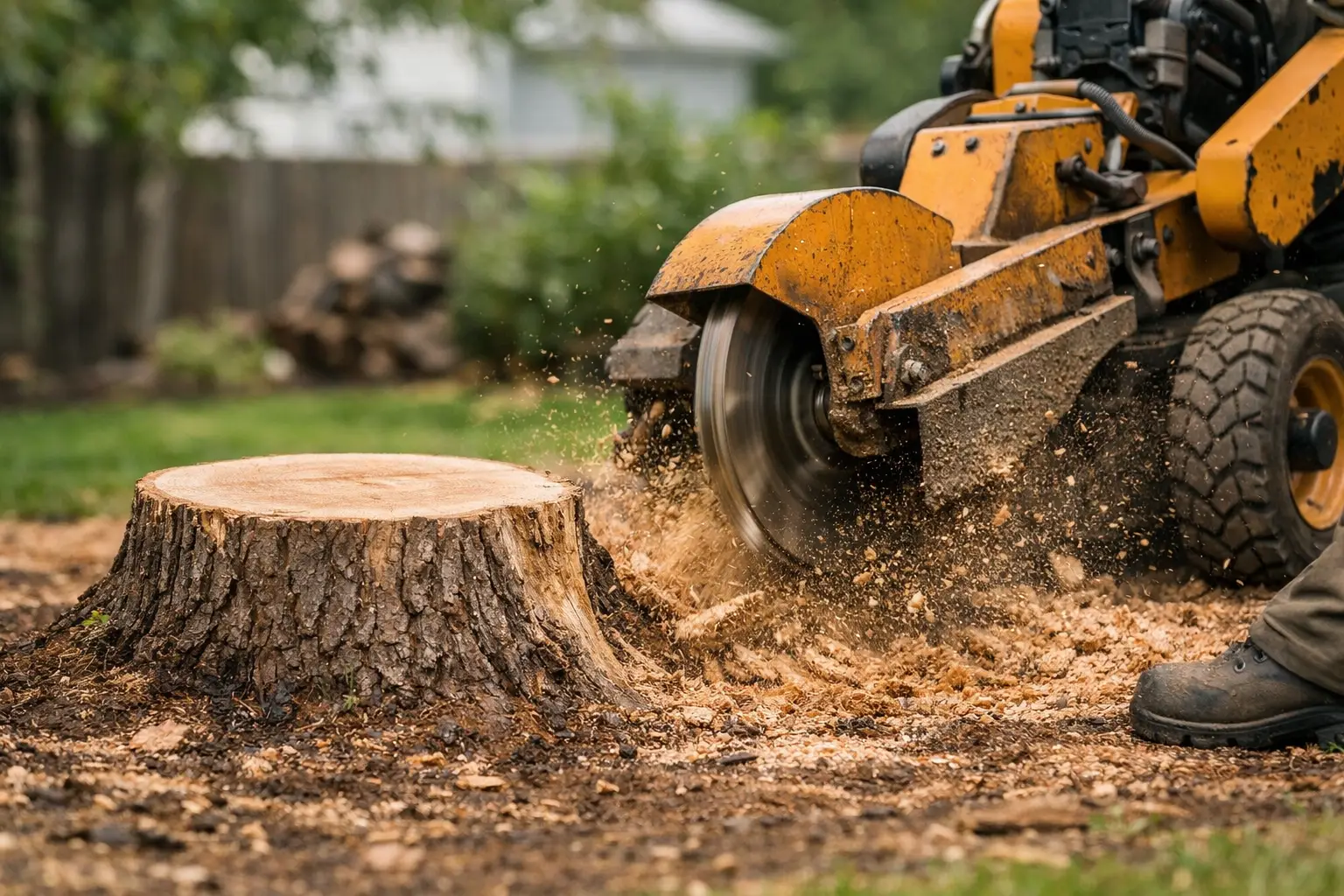
That old stump in the yard usually starts as a minor annoyance. Then it becomes the thing you mow around, trip over, and keep meaning to deal with. If you're asking how much does stump grinding cost, the honest answer is that most homeowners pay based on stump size, access, and how much cleanup they want included.
In plain terms, small easy-access stumps cost less, while large hardwood stumps tucked behind fences or close to patios cost more. The job itself is straightforward, but the quote can change fast depending on what the crew has to work around and how deep the grinding needs to go.
How much does stump grinding cost on average?
For most residential jobs, stump grinding often falls somewhere between about $150 and $500 for a single stump. Smaller stumps may come in near the low end, while larger stumps or difficult setups can push the price higher. If you have multiple stumps, many companies price them as a package, which usually brings the per-stump cost down.
A very small stump out in the open with easy machine access is the cheapest kind of job. A wide stump from an oak or another mature tree is a different story. Bigger diameter means more time on the grinder, more debris, and more wear on equipment.
That is why online averages only help so much. Two stumps can look similar from a distance and still price very differently once a crew sees root flare, slope, fencing, irrigation, or nearby concrete.
What affects stump grinding cost most?
The biggest factor is usually stump diameter. Most companies measure across the widest part of the stump, and some also account for root flare at the base. A stump that looks like 18 inches above grade can effectively grind more like 24 inches or more once the full base is considered.
Wood type matters too. Harder species can take longer to grind than softer wood. Age also plays a role. An old weathered stump is not always easier. Sometimes buried rocks, dirt packed into the base, or hidden metal from old fencing or nails can slow the job down.
Access is another major pricing factor. If the stump sits in a front yard with a wide gate and flat ground, the work is faster and simpler. If it is in a backyard with narrow entry, tight turns, soft ground, or landscaping that needs to be protected, the job takes more planning.
Location on the property changes risk. A stump beside a fence, retaining wall, driveway edge, pool deck, or utility area requires more care. Homeowners often focus on the grinder itself, but the real value is having someone do the work without damaging what is around it.
Depth matters as well. Basic grinding may remove the stump to a depth that gets it below the soil line for grass or general cleanup. If you are planning to replant, pour concrete, install a patio extension, or level the area for another project, you may need deeper grinding and more root cleanup. That adds labor and disposal.
Single stump vs. multiple stumps
If you only have one stump, the minimum trip charge often affects the price. Even a small stump still requires equipment, travel, setup, and cleanup. That is why a tiny stump is not always dramatically cheaper than a medium one.
If you have several stumps, pricing tends to get more favorable. Once the crew is already on site, adding a few more stumps is usually more efficient than scheduling separate visits. For homeowners cleaning up after tree removals or tackling an older yard all at once, bundling work often makes the most sense.
This is especially true when the stumps are in the same general area and the machine can move between them without extra setup. Scattered stumps in tight backyard sections may still cost more than a grouped set out in the open.
What's included in the price and what is not?
This is where quotes can look similar at first and turn out very different in practice. A stump grinding price may include the grind itself, raking the chips back into the hole, and basic cleanup around the work area. It may not include hauling away grindings, adding topsoil, seeding, root removal beyond the immediate stump area, or repairing turf disturbed by equipment.
Homeowners should ask a few plain questions. How deep is the stump being ground? Are the wood chips staying on site or being hauled off? Is cleanup included? Will the crew protect nearby fence lines, irrigation, or hardscape if access is tight?
A low number on paper is not always the better deal if it leaves you with a mound of debris, a shallow grind, or a torn-up yard. On residential properties, the finish matters just as much as the machine work.
Why some stump grinding quotes are higher
There is a reason one bid comes in well below the others. Sometimes it is simple efficiency. Other times, the low quote leaves out things that matter.
Insured professionals price for safe work, proper equipment, and cleanup that leaves the property in good shape. They also account for time spent navigating narrow side yards, protecting structures, and handling the job without cutting corners. If a stump sits close to a fence, driveway, or utility area, that care is not optional.
Higher quotes can also reflect better communication and fewer surprises. Homeowners usually want straight answers, a real arrival window, and no pressure. That kind of service has value, especially when equipment is being brought onto a residential lot.
Douglas Tree Service ATX is built around that kind of job - fair quotes, no deposit, insured service, and full cleanup included. For homeowners, that usually means fewer headaches and a cleaner result.
Is stump grinding cheaper than full stump removal?
In most cases, yes. Stump grinding is usually more affordable than full excavation because the grinder reduces the stump below grade without digging out the entire root ball. Full removal is more invasive, takes more labor, and often leaves a much larger hole to backfill and repair.
For most yards, grinding is the practical option. It removes the visible stump, improves appearance, and makes the area easier to use. Full extraction is generally reserved for cases where the roots must be removed for construction or other site-specific reasons.
That said, grinding does not mean every root disappears. Large structural roots remain underground and break down over time. If your goal is simply to reclaim the lawn or stop mowing around a stump, that is usually fine. If you are building something in the exact spot, your contractor may want more than standard grinding.
When it makes sense to grind a stump sooner
Some stumps can sit for years. Others cause problems right away. If the stump is in a play area, near a walkway, or in a place where you regularly mow, removing it sooner can save ongoing aggravation. It also reduces the chance of trips, mower damage, and pest activity around decaying wood.
Freshly cut stumps also tend to stand out more in the landscape. If curb appeal matters, stump grinding is often one of those jobs that makes the yard look finished again fast. That is especially true after a tree removal where the stump is the only thing left behind.
There is also the access question. If the yard is already open from recent tree work, it may be smarter to grind the stump at the same time rather than schedule a separate visit later. Once landscaping changes, fences go in, or another project starts, the same stump can become harder and more expensive to reach.
Getting an accurate stump grinding quote
The best quote usually comes from an on-site look, not a rough phone guess. Photos help, but they do not always show access limitations, slope, nearby structures, root spread, or the true width at the base.
When a company sees the stump in person, you get a clearer price and fewer surprises. That matters if you want the job done once, done safely, and cleaned up properly. A good estimate should feel straightforward, not vague.
If you are comparing bids, make sure each one covers the same scope. Ask about grind depth, cleanup, haul-off, access issues, and whether the price changes if the crew finds rocks, metal, or hidden obstacles. The cheapest number is only useful if it reflects the job you actually want done.
A stump is not the biggest project on your property, but it is one of those jobs where workmanship shows. The right price is not just about grinding wood. It is about protecting the yard, finishing clean, and leaving you with one less thing to work around.
Texas Tree Authority Hub
Official Texas resources we trust.