Hazardous Limb Removal for Homeowners
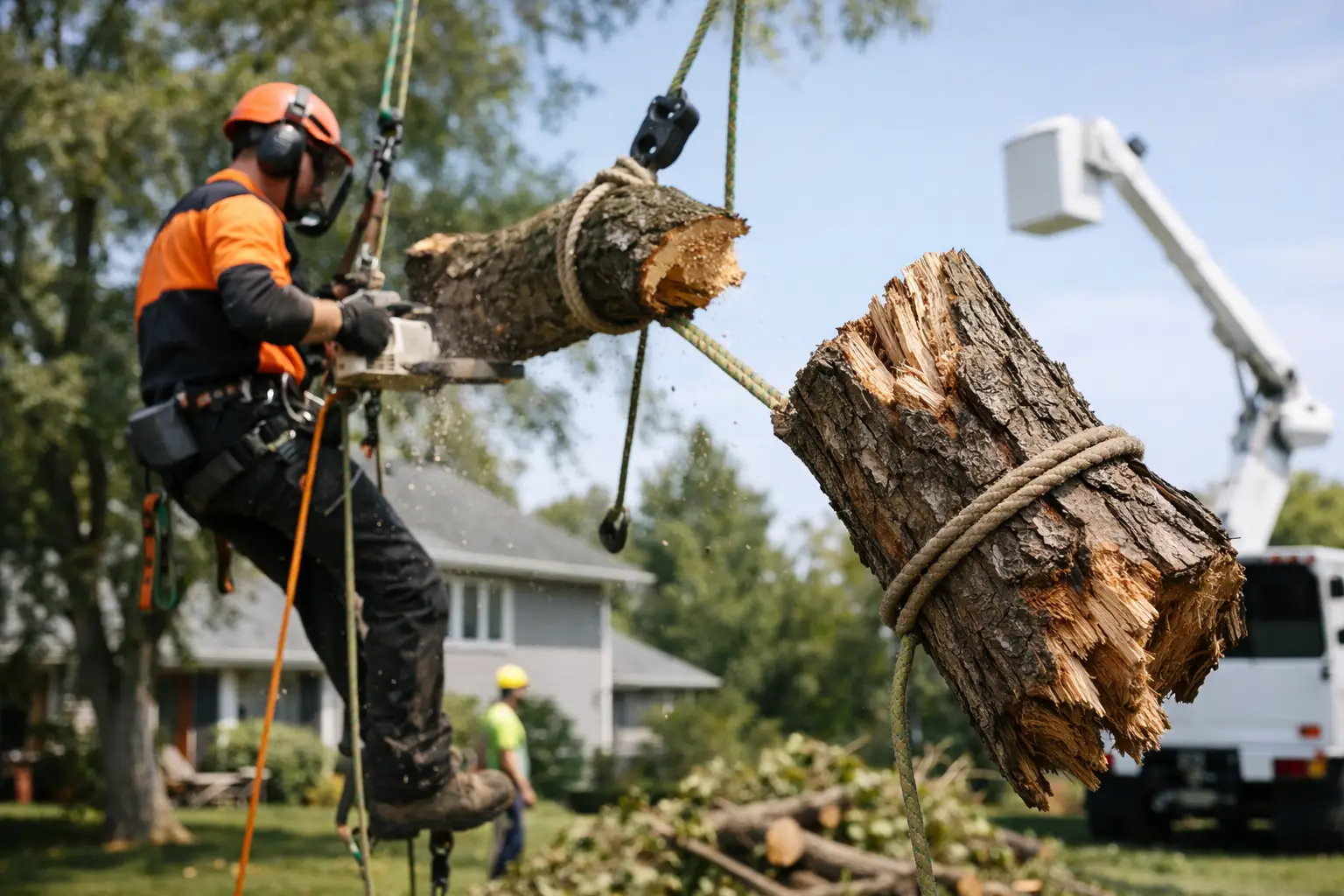
A cracked oak limb hanging over your roof usually does not give much warning before it becomes a real problem. One hard wind gust, one saturated stretch of soil, or one more summer storm can turn a heavy branch into broken shingles, a crushed fence, or an emergency call after dark. Hazardous limb removal is the kind of job homeowners often put off for a week too long because the limb still looks like it is holding. That is exactly what makes it risky.
For residential properties, the goal is not just cutting a branch and moving on. The goal is removing the danger without damaging the house, driveway, landscaping, utility lines, or the healthy parts of the tree that should stay. That takes judgment, controlled cutting, and a crew that treats your yard like it matters.
What counts as hazardous limb removal?
A hazardous limb is any branch that has a high chance of failing and causing damage or injury. Sometimes that risk is obvious, like a limb that is split, storm-broken, or already hanging. Other times it is less dramatic but still serious, such as a heavy branch extending over a roofline, a decayed union where the limb meets the trunk, or a long overextended limb that keeps dropping smaller branches in wind.
Homeowners usually notice the visible signs first. Maybe the branch is rubbing on the roof, sagging over a driveway, or leaning toward a neighbor’s fence. But the real issue is structural weakness. Cracks, included bark, hollow sections, old pruning wounds, or dead wood can all turn a big limb into a failure point.
This is where cheap tree work often goes wrong. If someone treats every risky branch like a simple cut-and-drop job, the branch can swing, split, or crash into the exact thing you were trying to protect. In tight residential spaces, safe removal usually means taking the limb apart in sections and lowering pieces under control.
When a dangerous limb should be removed now
Some tree issues can wait for a scheduled trimming. Some cannot. If a limb is broken but still attached, hanging over a structure, resting on other branches, or showing a fresh split near the trunk, it needs prompt attention. The same goes for dead limbs over play areas, driveways, patios, or places where people walk every day.
Storm damage changes the timeline too. A branch that survived last month may not survive the next round of wind if the wood fibers are already compromised. In Central Texas, heat stress and sudden storms are a rough combination for mature trees, especially large limbs that stretch over roofs and fences.
There is also the issue of proximity. A questionable branch over open yard space is one thing. The same branch over a pool, parked car, or power service line is another. The closer the target, the less room there is for error and the more important it is to deal with the risk before it becomes an emergency.
Why hazardous limb cutting is not the same as routine trimming
Routine trimming is about canopy management, clearance, and tree shape. Hazardous limb cutting is about removing a specific threat while keeping the rest of the situation under control. That difference matters.
With a dangerous limb, the branch may already be unstable before the first cut is made. Tension and compression inside the wood can cause a limb to twist, tear, or drop early. A crew has to read how the branch is loaded, where it will move, and whether it needs to be rigged down in smaller pieces.
Proper cut placement matters too. On a healthy tree, preserving the branch collar helps the tree close the wound more effectively. Flush cuts and random stubs are both bad outcomes. One makes a larger wound than necessary, and the other leaves dead material that can create future problems. Good hazardous limb removal should solve the immediate risk without creating a new tree health issue right at the cut point.
How safe hazardous limb removal is done
The safest approach depends on the tree, the limb, and what is underneath it. There is no one-size-fits-all method, which is why homeowners should be cautious with anyone who gives a quick price from the curb and acts like every branch falls the same way.
In many residential jobs, the limb is reduced in sections. Smaller cuts remove weight gradually before the main section comes off. If the branch is over a roof, fence, or narrow side yard, controlled rigging may be needed to lower pieces instead of dropping them. That protects the property and keeps the limb from tearing bark down the trunk on the way off.
Access also changes the plan. A wide front yard with clear drop space is simpler than a backyard boxed in by fences, sheds, and pool equipment. Tight spaces are where technical skill shows up. The cutting itself is only part of the job. The rest is planning the path of every piece, protecting what stays, and cleaning up thoroughly when the work is done.
What affects the cost of hazardous limb removal?
Homeowners usually want a straight answer on price, and that is fair. The honest answer is that cost depends on risk, size, access, and complexity.
A small dead limb with open landing space is usually straightforward. A large cracked branch over a house with limited access and no safe drop zone is a different level of work. The crew may need more time, more rigging, more careful sectioning, and more cleanup. Height matters, limb weight matters, and so does the number of obstacles below.
Tree type can matter too. Dense hardwood limbs are heavier and often take more effort to remove safely. If the branch is tied into the main canopy in a way that makes movement unpredictable, that can increase labor as well. Emergency timing may also affect pricing if the limb is storm-damaged and needs immediate response.
For most homeowners, the better question is not just what it costs, but what is included. A fair quote should account for the technical work, hauling brush and wood, and full cleanup. No one wants to pay for hazard reduction and then be left with a debris pile across the lawn.
Signs you should not wait
If you are unsure whether a limb is urgent, a few common warning signs usually tell the story. Fresh cracking sounds, visible splits where the limb meets the trunk, branches suddenly sagging lower than before, and dead wood over living areas all deserve quick attention. So do limbs that have shifted after a storm or are now touching the roof, scraping gutters, or hanging near service lines.
Another red flag is repeated small limb drop from the same branch. That can be a sign the larger limb is stressed, dead, or failing in stages. Homeowners sometimes clean up the small pieces for months before the bigger branch finally comes down. That is not a pattern worth testing.
Choosing the right crew for hazardous limb removal
This is one of those services where the cheapest bid can get expensive fast. If a crew is not insured, does not explain how they will protect the property, or gives vague answers about cleanup, that should give you pause.
A professional residential tree crew should be able to explain the plan in plain language. Will the limb be removed in sections? Is rigging needed? How will they protect the roofline, fence, or driveway? Will all debris be hauled off? Clear answers matter because homeowners are not just buying cutting. They are buying risk reduction.
It also helps to work with a company that is used to tight residential spaces. In neighborhoods around Austin, trees often sit close to homes, garages, pools, and shared fence lines. Douglas Tree Service ATX handles this kind of work with controlled rigging, no-deposit booking, insured service, and full cleanup included, which is exactly the kind of straightforward process most homeowners want when a heavy limb is hanging where it should not be.
After the limb is removed
Once the hazard is gone, the next question is usually whether more corrective trimming is needed. Sometimes the answer is yes, especially if the remaining canopy is unbalanced or other deadwood is nearby. Sometimes the best move is just a clean removal of the problem limb and nothing more. It depends on the tree’s structure, species, and the amount of live canopy left.
What should not happen is panic cutting. Removing one dangerous branch does not mean the tree needs aggressive over-pruning or topping. In fact, bad follow-up work can create new weak growth and make the tree less stable over time. A careful, targeted approach is almost always the better call.
If you have a limb that looks questionable, trust what your eyes are telling you. Heavy branches rarely become safer by waiting, and the best time to handle a hazard is before it turns into a hole in the roof or a blocked driveway after a storm.
Texas Tree Authority Hub
Official Texas resources we trust.