Guide to Storm Damaged Trees After Austin Storms
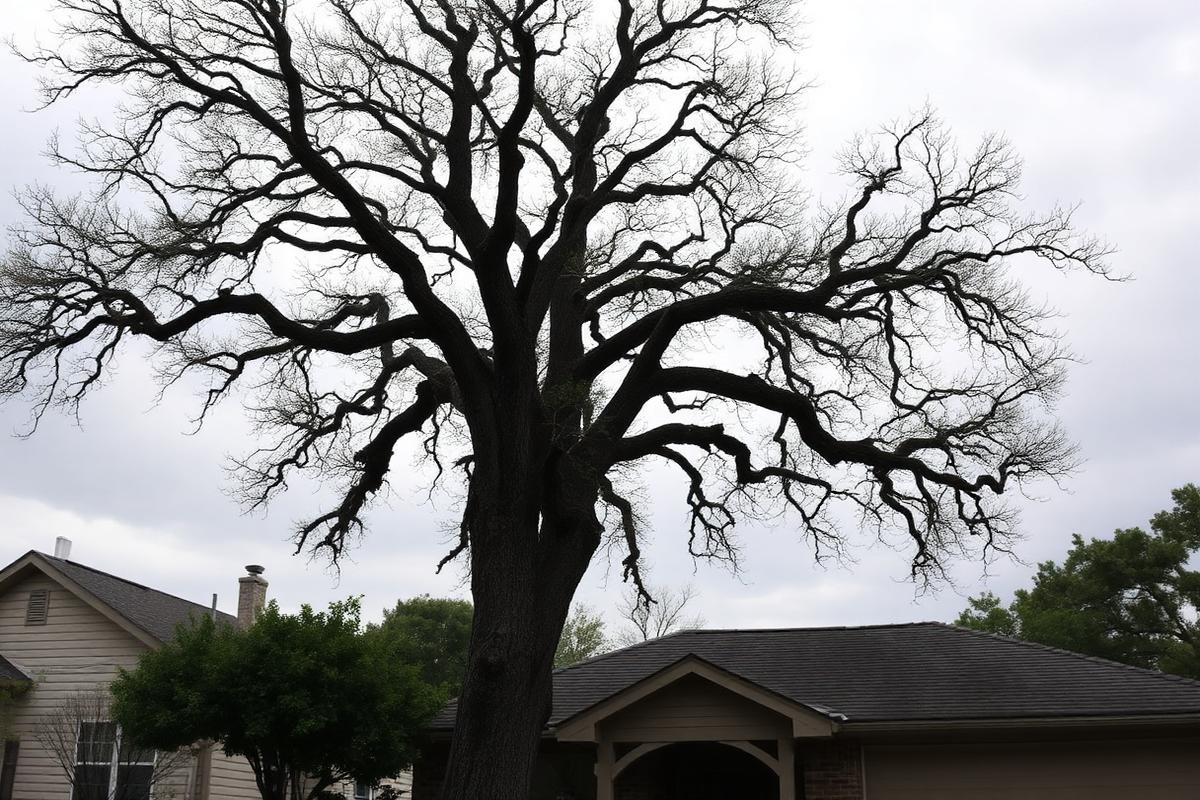
A limb can look manageable from the ground and still be carrying enough tension to crush a fence, punch through a roof, or snap back without warning. This guide to storm damaged trees gives Austin homeowners a clear way to separate a cleanup job from a real hazard, so you can protect people and property before the next round of wind or rain.
Start With Safety, Not the Chainsaw
After a storm, walk the property slowly and keep your distance from damaged trees. Do not stand beneath broken limbs, climb a ladder to inspect a canopy, or pull on a branch that is hung up in another tree. Wind-damaged wood can be twisted, cracked, and loaded with tension in ways that are hard to see from the ground.
If a tree or limb is touching a power line, stay well away. Keep children and pets out of the area, do not attempt to move the branch, and contact the utility provider. If there is an immediate threat to people, a home, or a roadway, call emergency services first. Tree work near energized lines is not a job for a homeowner or an unqualified crew.
The same goes for a tree resting on a roof, vehicle, fence, pool enclosure, or neighboring structure. Cutting the wrong piece first can shift the load and make the damage worse. A controlled removal plan matters most when the tree is already leaning on something valuable.
How to Spot a Storm-Damaged Tree That Cannot Wait
Not every fallen branch requires an emergency response. A few small twigs in the yard can usually wait until normal cleanup. The concern rises when a large limb, trunk, or root system has failed or is clearly unstable.
Treat the situation as urgent when you see a split trunk, a major limb hanging above a driveway or entryway, a tree leaning farther than it did before the storm, or roots lifting out of the ground. Fresh soil cracks, a raised patch of lawn on one side of the tree, and exposed roots can all point to root plate failure. Even if the tree is still standing, it may no longer be securely anchored.
Look closely at the trunk and main branch unions from a safe distance. Long vertical cracks, separated bark, a deep cavity that has opened up, or two stems pulling apart are warning signs. A limb can also be compromised when most of its leaves are still green. Leaves tell you the branch was alive before the storm, not that the wood is safe now.
Large live oaks deserve special attention around Austin homes. Their broad canopies can hold substantial weight, and a failure over a roof, fence, or driveway may require rigging and careful section-by-section removal. The lowest price is not much of a bargain if the work causes a second round of property damage.
What You Can Do Before Help Arrives
Your goal is to make the area safer, not to solve the tree problem yourself. Move vehicles away from the fall zone if you can do so without going under damaged limbs. Block access to a driveway, patio, or side yard with cones, tape, or a visible barrier. Take clear photos from several safe angles for your records and insurance claim.
Do not make relief cuts in a suspended limb. Do not use a rope, pickup truck, or lawn equipment to pull a branch down. Avoid stacking debris against the trunk, since that can hide cracks and make a later inspection harder. If rain is continuing, remember that saturated soil can make a leaning tree less stable over the next several hours or days.
For a branch already on the ground, light cleanup may be reasonable if it is small, fully detached, and far from utilities or structures. Wear gloves, sturdy shoes, and eye protection. Leave oversized pieces, tangled brush, and anything under tension to a properly equipped crew.
A Practical Guide to Storm Damaged Trees and Insurance
Insurance questions are common after a storm, but the right first step is still safety. Document the damage before cleanup when possible, especially if a tree struck your house, garage, fence, or vehicle. Photograph the tree, the point of impact, and the surrounding area. Keep notes on the date, weather event, and any visible damage.
Coverage depends on your policy and the cause of the loss. Many policies may help with damage to a covered structure caused by a fallen tree, while removal of a tree that simply lands in an open yard may be handled differently. Your insurer can explain the details of your coverage, deductible, and claim process.
Do not wait for an insurance decision if a damaged tree poses an immediate safety risk. Preventing further damage comes first. Save invoices, photographs, and written estimates, then communicate with your carrier about what they need.
If the tree came from a neighbor's yard, keep the conversation calm and factual. Property-line questions can get complicated, but the immediate issue is whether anyone is at risk and whether the tree is causing ongoing damage. Photos and a professional scope of work help keep everyone focused on the actual condition of the tree.
Why Storm Cleanup Often Requires More Than Cutting
A storm-damaged tree is rarely a simple "cut it and haul it off" job. Broken limbs may be suspended over a roof, woven into healthy branches, or pinched between a fence and the ground. The crew needs to consider where each piece will move once it is cut, where it can be lowered safely, and how to protect landscaping, gates, driveways, and structures below.
That is why controlled rigging is often the better approach in tight residential spaces. Instead of dropping large sections, a trained crew can secure and lower them in manageable pieces. It takes more planning, but it protects the property and reduces the chance that a cleanup job turns into a repair bill.
Pruning also matters after the immediate hazard is removed. A proper cut is made near the branch collar so the tree has a better chance to close the wound. Topping a storm-damaged tree may look like a quick fix, but it can create weak regrowth and more future problems. In Central Texas, care around oak pruning is also part of responsible storm work because fresh cuts should be handled with oak wilt prevention in mind.
Sometimes removal is the responsible choice. A tree with a badly split trunk, extensive root failure, major internal decay, or repeated structural failures may not be a good candidate for keeping. Other trees can be reduced, cleaned up, and monitored. It depends on the species, damage location, overall condition, and what the tree could hit if it fails again.
Choosing a Crew for Emergency Tree Work
Storms bring out crews that promise fast, cheap removal, and some homeowners feel pressure to say yes because the damage is stressful. Ask direct questions before anyone starts cutting. Is the company insured? How will they protect the roof, fence, driveway, or pool? Will they remove all debris and leave the site clean? Is the estimate clear about what is included?
A dependable local company should give you straight answers, explain the scope of work, and avoid asking for a deposit just to get on the schedule. You should also know whether stump grinding, hauling, and final cleanup are part of the quote or separate work. A low number with vague details can become expensive once the job is underway.
For homeowners in Austin and nearby communities, Douglas Tree Service ATX provides free on-site estimates, insured tree work, no-deposit booking, and cleanup included. When a damaged limb is over a structure or a tree has shifted in a tight yard, the work should be planned around control, communication, and protecting what is already standing.
After the Yard Is Clear
Once the immediate danger is gone, take another look at the rest of the property. Storms often reveal dead limbs, crowded branch unions, roof clearance issues, and trees that were already leaning before the wind arrived. Addressing those issues during dry, calm weather is usually simpler and less expensive than handling them in the middle of the next storm.
The best next move is not always removal. Sometimes it is a careful reduction, deadwood removal, or targeted pruning that gives the tree more clearance from the home. The useful standard is simple: keep healthy trees where they can remain safe, and deal with unstable wood before it gets another chance to fall.
Texas Tree Authority Hub
Official Texas resources we trust.