Emergency Tree Removal After Storm Damage
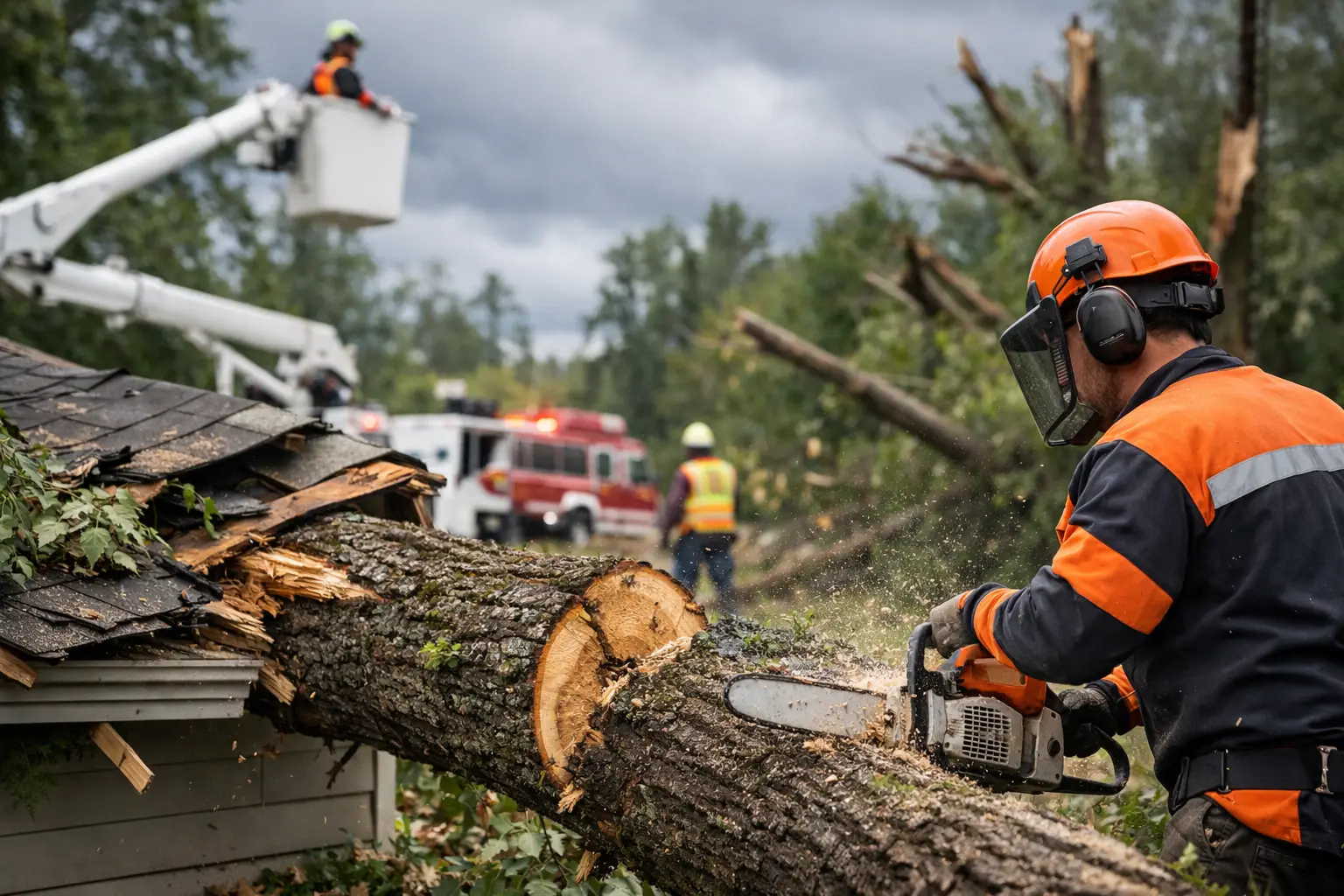
When a tree comes down at 2 a.m., nobody cares about marketing language. You want to know if your family is safe, if the roof is exposed, and how fast someone can get there without making the damage worse. That is what emergency tree removal after storm damage is really about - fast decisions, safe work, and protecting your home from the next problem.
In Austin, storms can turn a healthy-looking yard into a mess in minutes. Heavy limbs split over driveways, saturated soil loosens roots, and wind pushes large canopies into roofs, fences, and service lines. For homeowners, the hardest part is knowing what needs immediate action and what can wait until morning.
What counts as emergency tree removal after storm damage
Not every broken branch is an emergency, but some situations need a response right away. If a tree is on your house, blocking your only exit, leaning hard over a lived-in area, or tangled near power lines, that is no longer a routine cleanup job. It is a safety issue.
The same goes for trees with major trunk splits, root plate lifting, or large cracked limbs hanging over places people walk or park. Storm damage is unpredictable. A tree can look stable for an hour and then fail without much warning once the ground shifts or the wood fibers give way.
In residential neighborhoods, the urgency often comes from where the tree landed, not just how big it is. A moderate-sized limb on a roof valley can cause more trouble than a larger limb in the back corner of the yard. Water intrusion, broken gutters, crushed fencing, and blocked access all raise the stakes.
What to do first after a storm hits
Start with distance, not cleanup. If you see downed utility lines, sparking, or a tree pressing on electrical service, stay back and call the utility company first. No branch is worth getting close to energized equipment.
If the tree hit your home, move everyone away from the damaged area. That may mean leaving one side of the house, avoiding a garage, or staying out from under a sagging ceiling. Take photos from a safe distance if you can. Those pictures help with insurance and document the condition before any work begins.
After that, call a qualified tree service that handles emergency response. This is not the moment to hire the cheapest crew with a chainsaw and a pickup. Storm work around homes requires controlled cutting, rigging, and a plan for lowering wood without adding damage to the roof, fence, driveway, or landscaping.
Why storm-damaged trees are different from normal removals
Routine tree removal is already technical. Emergency work adds tension, unstable loads, hidden pressure points, and damaged wood that does not behave the way intact wood does. A branch that looks supported may be one cut away from swinging into a window. A trunk can be resting on a roof while still carrying weight back through the stump or root flare.
That is why emergency jobs need a careful approach. The crew has to read where the compression and tension are, decide whether to rig sections out, and protect the structure underneath while removing weight in the right order. In tight residential spaces, that often means smaller controlled pieces instead of fast, aggressive cuts.
For homeowners, this matters because speed and safety are not opposites. The fastest good job is the one done by people who know how to stabilize the situation first. Rushed work by the wrong crew can turn repairable damage into a much larger insurance claim.
What a professional response should look like
Good emergency service starts with clear communication. You should get straight answers about arrival time, what the crew can address immediately, and whether the tree can be fully removed right away or only made safe until conditions improve.
On site, the first step is usually hazard assessment. That means checking the tree, nearby structures, access points, line clearance, and whether the ground is stable enough for equipment. From there, the job may involve removing weight off the house, rigging sections away from fences, clearing blocked driveways, or reducing a tree to eliminate the immediate threat before full cleanup.
Cleanup should not be treated like an extra. When a homeowner is dealing with storm damage, the last thing they need is a yard full of debris and sawdust. Full cleanup, haul-off, and leaving the property in usable condition are part of doing the job right.
Emergency tree removal after storm damage near homes and fences
This is where experience shows. Many Austin properties have tight side yards, shared fence lines, mature oaks, and limited access to the back. A storm-damaged tree in an open field is one thing. A storm-damaged tree resting between a roofline, AC unit, and cedar fence is another.
In those cases, controlled rigging matters. Instead of dropping large sections and hoping for the best, the crew uses ropes and planned cuts to lower pieces where they need to go. That protects structures and keeps the job moving without unnecessary risk.
Homeowners often assume a crane is always required, but it depends on access, tree size, and where the weight is sitting. Sometimes rigging by hand is the better option. Other times, equipment shortens the job and reduces exposure. A trustworthy company will tell you which method fits your property instead of forcing every job into the same playbook.
What about insurance and cost?
Most homeowners want the same answer right away: will insurance cover this? It depends on the policy and the situation. If a storm-damaged tree hit a covered structure, there is often some level of coverage for removal and repairs. If the tree simply fell in the yard and did not damage a structure, coverage may be limited or not apply at all.
That is one reason good documentation matters. Photos, timestamps, and a clear scope of work help when you are talking with your insurer. It also helps to work with a tree service that can explain the emergency portion of the job in plain language.
As for price, emergency work usually costs more than standard scheduled removal because of urgency, risk, after-hours response, and the extra labor involved in storm conditions. Still, homeowners should expect fair quoting and clear communication, not pressure. A no-deposit approach and free on-site estimates, when possible, help lower the stress during an already rough day.
How to avoid making the damage worse
After a storm, it is tempting to start cutting branches yourself to "help" before the crew arrives. In small yard cleanup situations, that may be fine. In structural or hanging-tree situations, it can go badly fast.
Cutting a branch that is under load can cause it to spring, roll, or drop unexpectedly. Pulling on limbs with a truck can shift weight into a roof or collapse a fence panel that was still holding part of the load. Even walking under a partially failed canopy is a risk if the storm left cracked hangers overhead.
A better move is simple: secure the area, keep kids and pets away, move vehicles if they can be moved safely, and wait for trained help. If rain is getting into the house, a roofer or emergency tarp crew may also need to be part of the response once the tree hazard is removed.
Choosing the right local company
When you are hiring for emergency storm work, the basics matter more than flashy promises. You want an insured company that answers the phone, shows up when it says it will, and knows how to work around homes without turning the yard into a second disaster.
Ask direct questions. Are they insured? Do they handle hazardous limb removal near structures? Is cleanup included? Will they protect fences, driveways, and landscape beds as much as conditions allow? Can they explain what needs immediate removal versus what can be scheduled after the emergency is stabilized?
For Austin-area homeowners, local knowledge helps too. Different species fail in different ways, and local storm patterns, soil conditions, and oak care standards matter. A company like Douglas Tree Service ATX understands how to respond quickly while still respecting the property and the long-term health of trees that can be saved.
Storm nights are stressful enough. The right tree crew should lower the temperature, not raise it. If you get fast communication, safe technical work, and spotless cleanup, you can focus on getting your home back in order instead of managing chaos in the yard.
Texas Tree Authority Hub
Official Texas resources we trust.