Austin Hazardous Tree Removal for Safer Yards
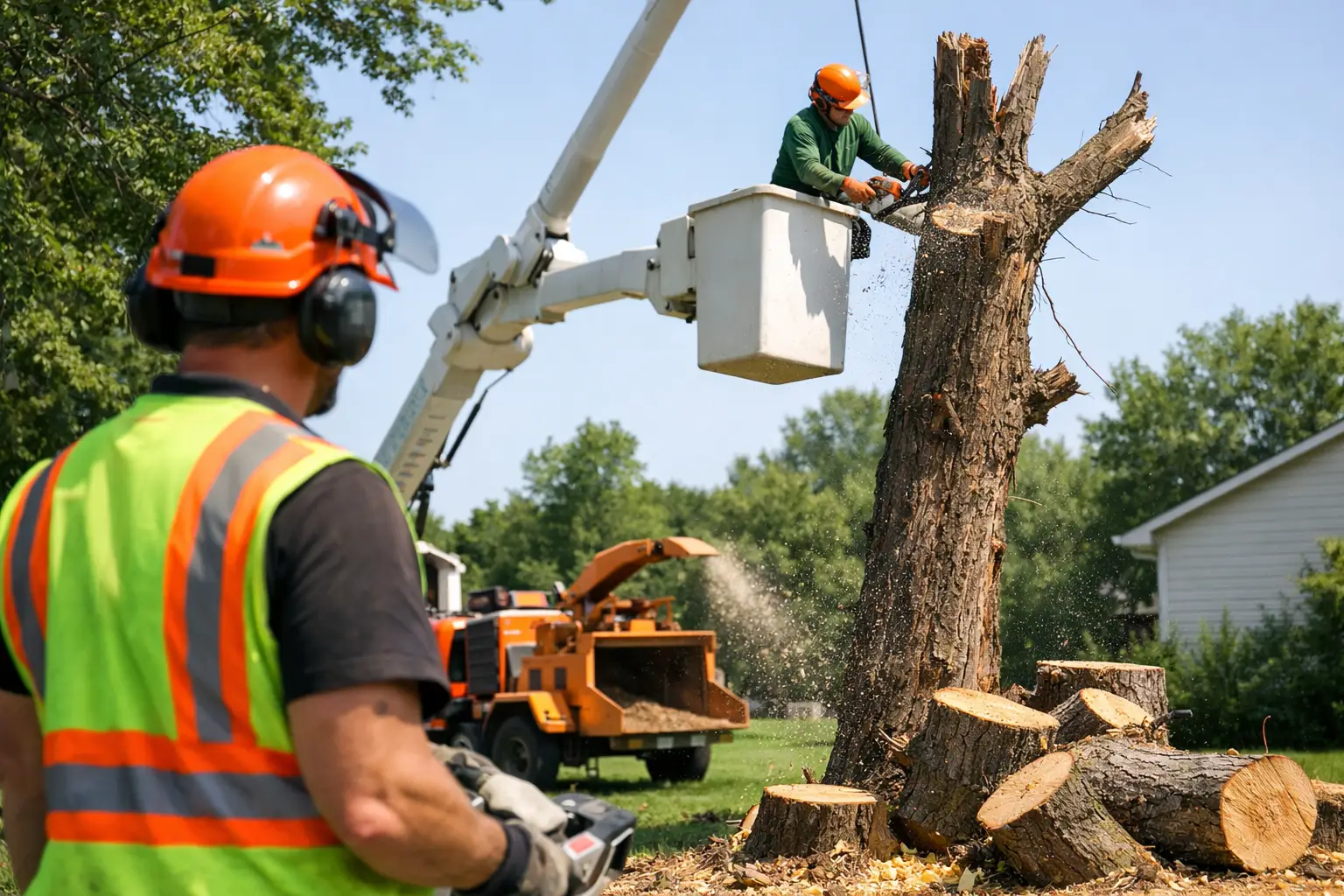
A tree can look fine from the street and still be one hard rain away from landing on a roof, fence, or driveway. Austin hazardous tree removal is not about clearing every mature tree from a property. It is about identifying the ones that pose a real risk and removing them with a controlled plan before that risk becomes expensive damage.
For homeowners, the hard part is knowing when a tree needs attention now and when it can be maintained with careful pruning. Dead limbs, storm damage, a sudden lean, and trunk decay are all warning signs worth taking seriously. The right response depends on the tree's condition, where it can fall, and what sits below it.
What Makes a Tree Hazardous?
A hazardous tree is one with structural problems, declining health, or placement that creates an unreasonable chance of damage or injury. A healthy tree near a house is not automatically dangerous. But a weakened tree over a bedroom, pool, power line, fence, or frequently used driveway deserves a closer look.
Some hazards develop slowly. A trunk may have a large cavity, a spreading vertical crack, or sections of bark pulling away. Mushrooms growing near the base can sometimes point to internal decay. A tree that has begun leaning more than it did before, especially after saturated soil or strong wind, can indicate root movement below ground.
Other hazards are obvious and immediate. A broken limb caught in the canopy, often called a hanger, can drop without warning. A split trunk, partially uprooted root ball, or tree resting against another tree should be treated as urgent. Keeping children, pets, and vehicles out of the fall zone is the first step while removal is arranged.
Signs You Should Not Wait On
Austin weather puts trees through a lot. Long dry spells can stress root systems, while sudden heavy rain can soften soil and expose weaknesses that were already there. Wind, ice, and lightning can turn a manageable limb problem into an emergency quickly.
Call for prompt help if you see a tree or major limb that is leaning toward a structure, fresh cracks in a trunk or large branch union, roots lifting from the ground, or limbs touching your roof. Dead branches over outdoor living areas and driveways also deserve timely removal, even when the rest of the tree is healthy.
Power lines change the situation. Never attempt to cut, pull, or climb a tree that is contacting a line, and do not assume a line is safe because it is not sparking. Keep people away and contact the appropriate utility provider for electrical hazards. Tree work can proceed only when the site is safe to access and the necessary clearances are in place.
A little caution is usually cheaper than a rushed repair after a limb punches through a roof. Still, removal is not always the answer. If the trunk and roots are sound and the issue is limited to one overextended or dead limb, proper pruning may reduce risk while preserving the tree.
How Hazardous Tree Removal Is Done Safely
The biggest concern for most homeowners is understandable: How does a large tree come down without taking the fence, roof, landscaping, or neighbor's property with it? On an open lot, a tree may have room for a planned directional fall. In most residential yards, it does not.
That is where controlled dismantling matters. The crew starts by assessing access, tree condition, overhead obstacles, landing areas, and the safest sequence of cuts. In tight spaces, sections are removed from the top down. Ropes and controlled rigging can lower limbs and wood sections into a designated area rather than letting them fall freely.
The equipment and approach depend on the job. A small decayed tree near a fence may require careful hand work. A tall tree over a home may call for climbing, ropes, and a staged removal process. If a truck or equipment cannot reach the backyard, that does not mean the job cannot be done. It does mean the crew needs a realistic plan for moving material out without damaging gates, lawns, hardscapes, or nearby structures.
Homeowners should be wary of anyone who promises to simply "drop it" near a house or offers a price without looking at the tree. Cheap tree work can become very expensive when it skips site planning, insurance, property protection, and cleanup.
Pruning Is Different From Topping
Not every high-risk limb requires full removal of the tree. Selective pruning can reduce end weight, remove deadwood, improve roof clearance, and take pressure off weak branch unions. Proper cuts are made at the branch collar so the tree has the best chance to seal the wound.
Topping is different. Cutting back large sections of the canopy to bare stubs can stress a tree and encourage weak, fast-growing shoots. Those shoots often create a future hazard. For oaks, timing and cut protection also matter because careless pruning can increase oak wilt concerns in Central Texas. Good tree work solves the immediate problem without creating a worse one later.
What Affects Hazardous Tree Removal Cost?
There is no honest flat price for every hazardous tree. Cost depends on the tree's height and diameter, its condition, access to the work area, nearby structures, the amount of rigging required, and whether the crew must respond after hours. A standing tree in an open front yard is usually more straightforward than a damaged tree hanging over a roof behind a narrow side gate.
Cleanup also makes a difference. A complete job should include hauling away limbs and logs, raking up the work area, and leaving the property orderly. If you want the stump removed, that is typically a separate step because stump grinding requires different equipment and planning. Asking what is included avoids surprises after the cutting is done.
A free on-site estimate gives the crew a chance to see the real conditions and explain the safest approach. It also gives you a chance to ask direct questions: Is the company insured? How will the tree be lowered? What happens to debris? Is stump grinding included or optional? A clear answer is more valuable than a vague low number over the phone.
How to Prepare Your Property Before the Crew Arrives
You do not need to do the dangerous work yourself. A few simple preparations can help the job move safely and efficiently. Move vehicles out of the driveway and away from the work zone. Pick up patio furniture, grills, toys, and planters that could be struck by falling debris or restrict access.
Let the crew know about gates, irrigation lines, septic components, outdoor lighting, or other features that may not be obvious. Keep pets indoors and make sure children understand that the work area is off limits. If a neighbor's fence, driveway, or yard may be close to the removal zone, a courteous heads-up is often helpful.
For an active emergency, do not stand beneath damaged limbs to take photos or try to clear a path. Photos from a safe distance can help describe the situation, but safety comes first.
Choosing a Tree Service for High-Risk Work
Hazardous removal is one of the last places to hire based on the lowest price alone. You are trusting a crew to work around the biggest assets on your property. Look for an insured local company that communicates clearly, explains the work scope, and has a plan for tight spaces rather than treating every tree like an open-field job.
Douglas Tree Service ATX provides free on-site estimates, no-deposit booking, controlled removal methods, and full cleanup for homeowners who need straight answers. Whether the issue is a storm-broken limb or a declining tree near the house, the goal is to protect the property without adding unnecessary stress to the process.
If a tree has you second-guessing where you park, where your kids play, or whether the next storm will cause damage, trust that instinct. Getting a clear assessment and a fair removal plan now can give you back the peace of mind your yard should provide.
Texas Tree Authority Hub
Official Texas resources we trust.